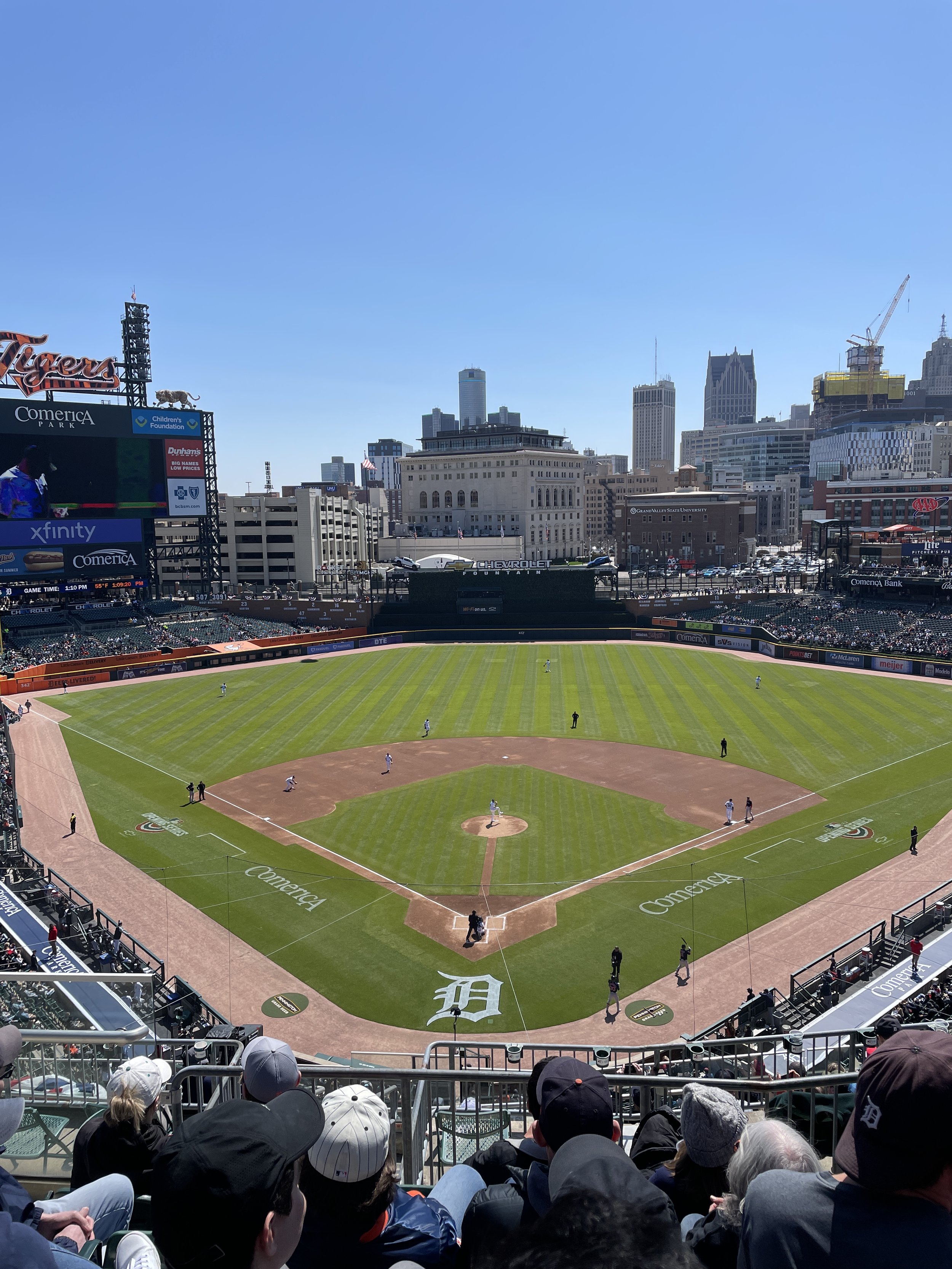
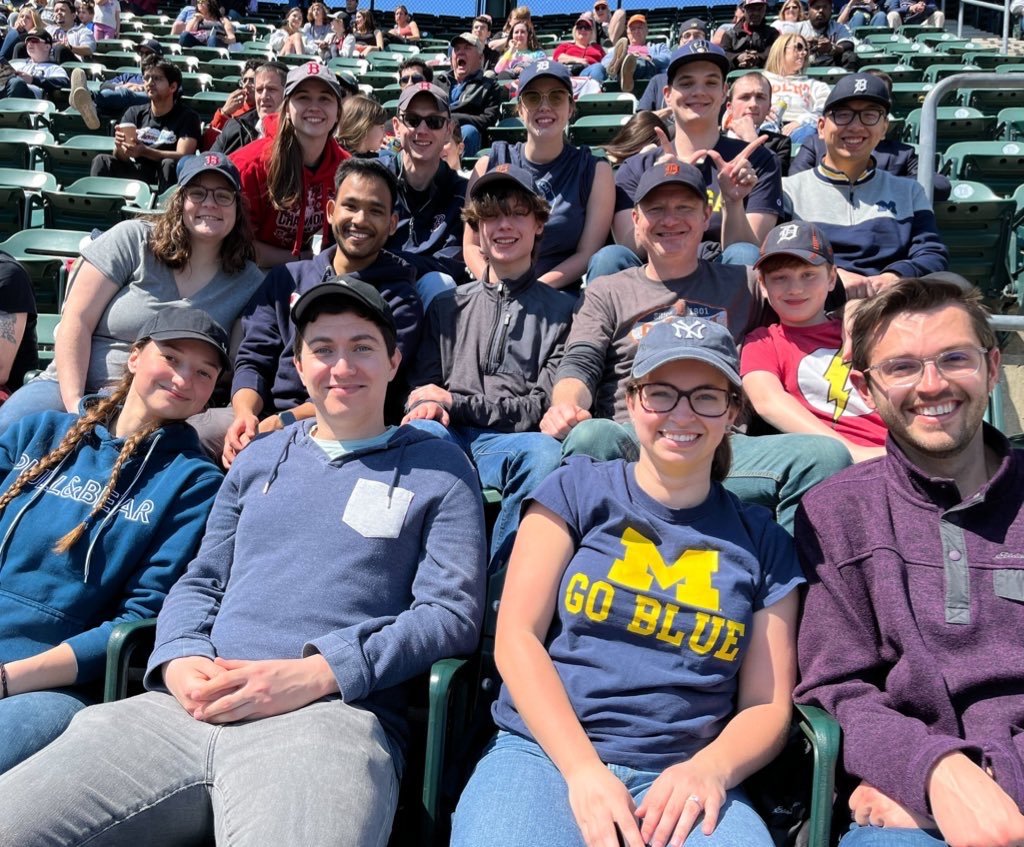
The Bailey Lab ventured out of the lab and into Comerica Park to watch the Detroit Tigers take on the Boston Red Sox! We thoroughly enjoyed the beautiful weather and spending an afternoon together at the ballpark. Detroit attempted to rally late in the 9th inning, but it wasn’t enough. The Red Sox won 4-1, which was thoroughly enjoyed by the lab’s loyal Red Sox fans (and not so much by the Yankees/Cardinals/Detroit fans)!
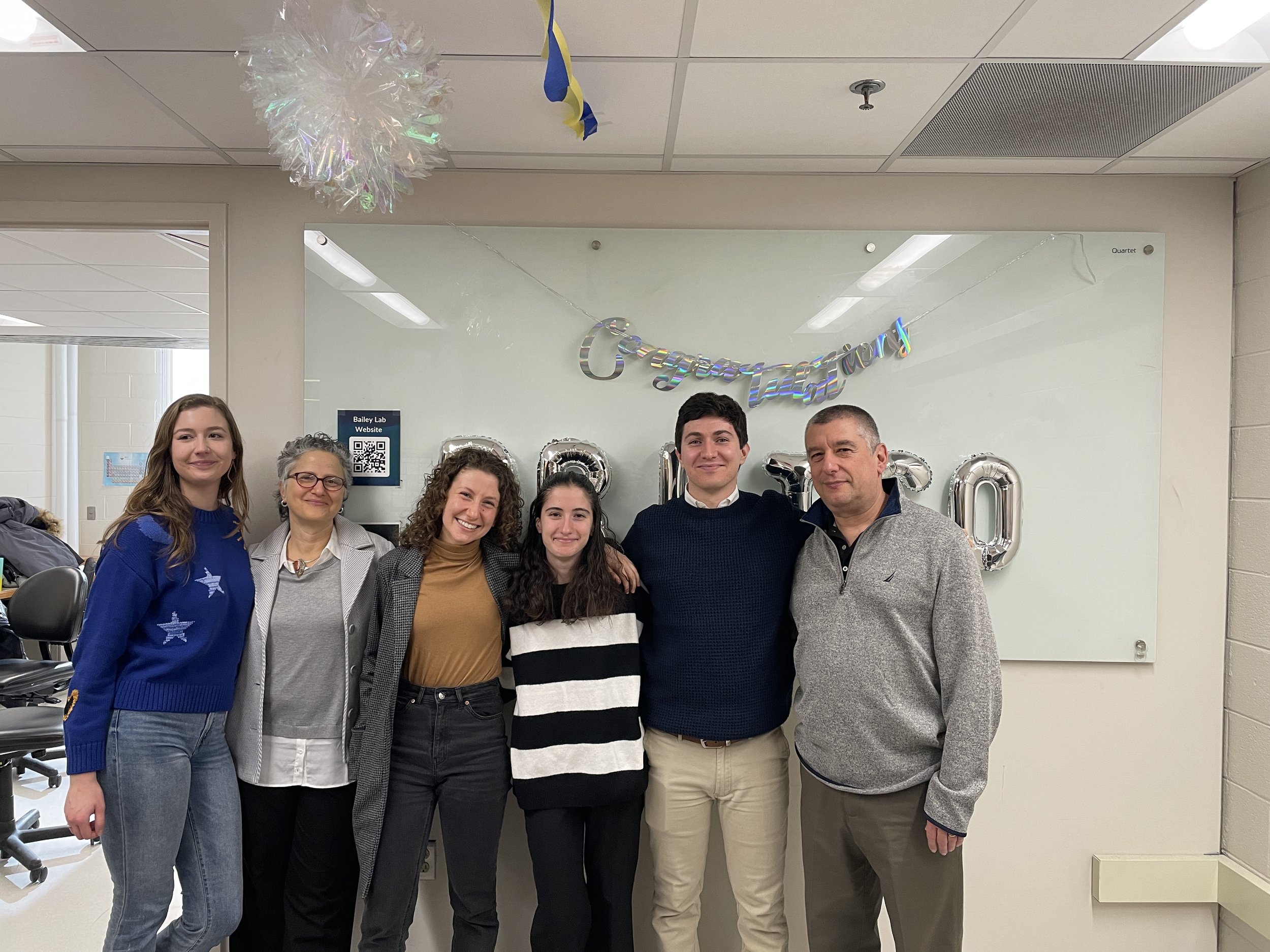
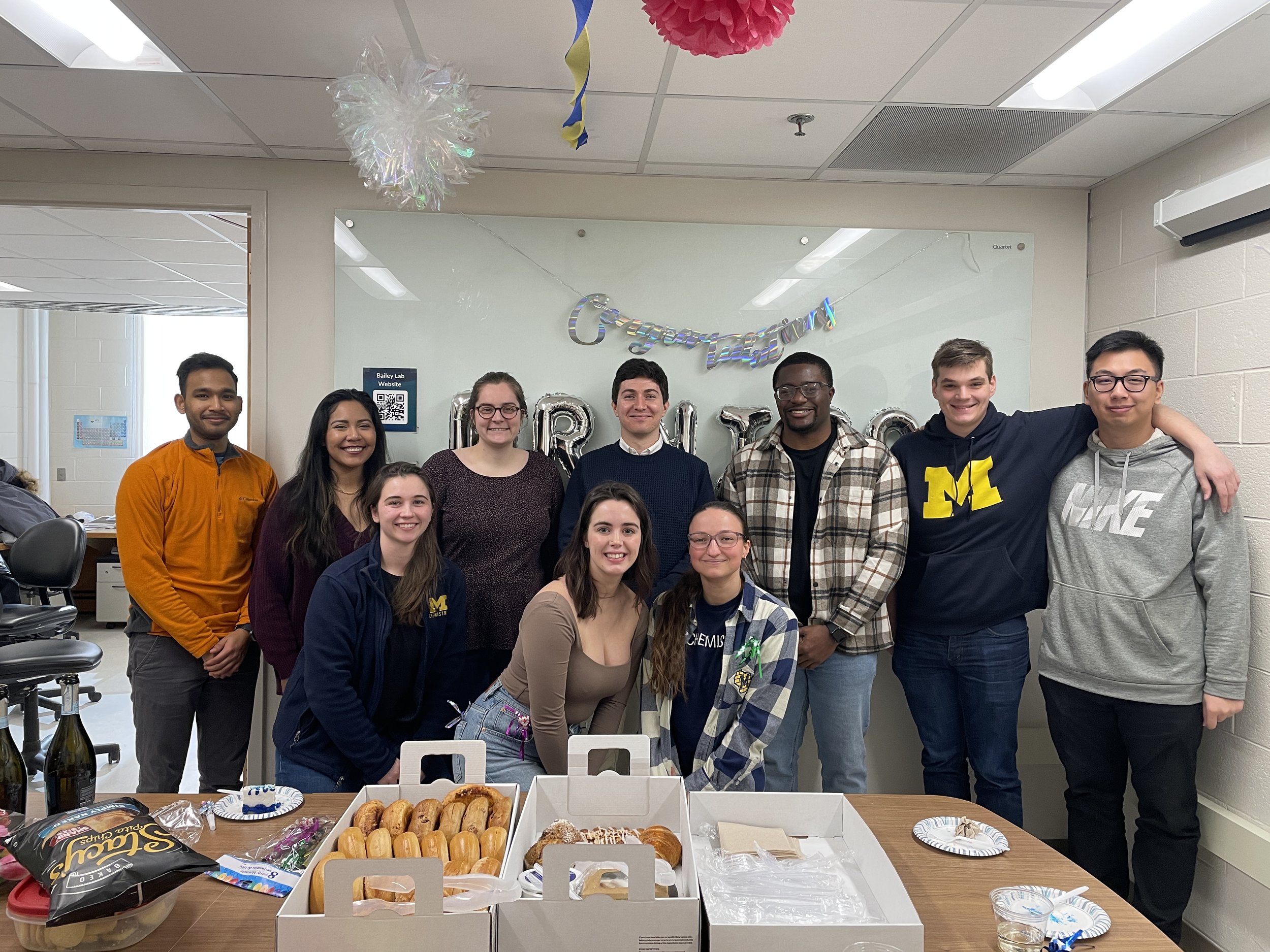
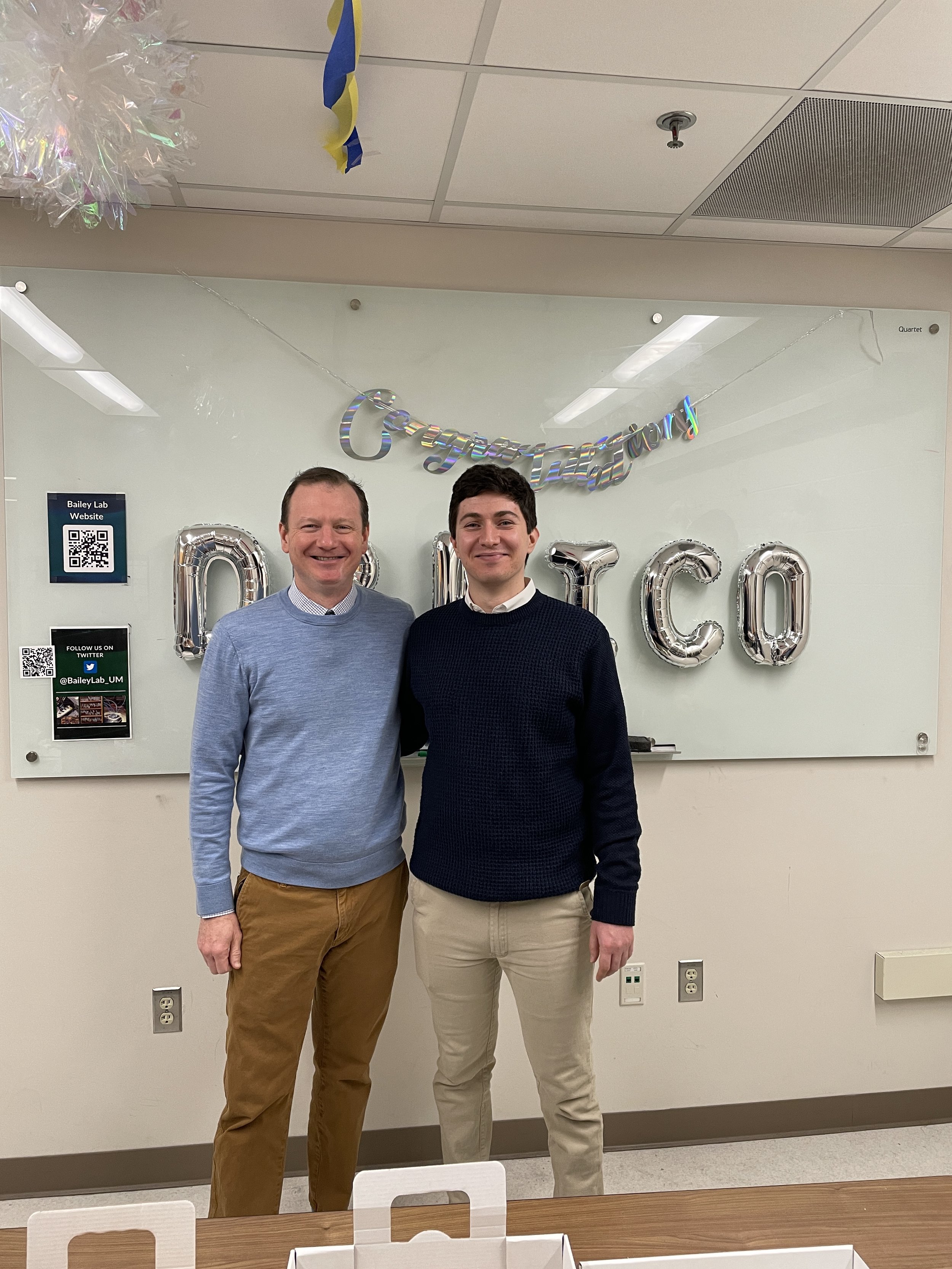
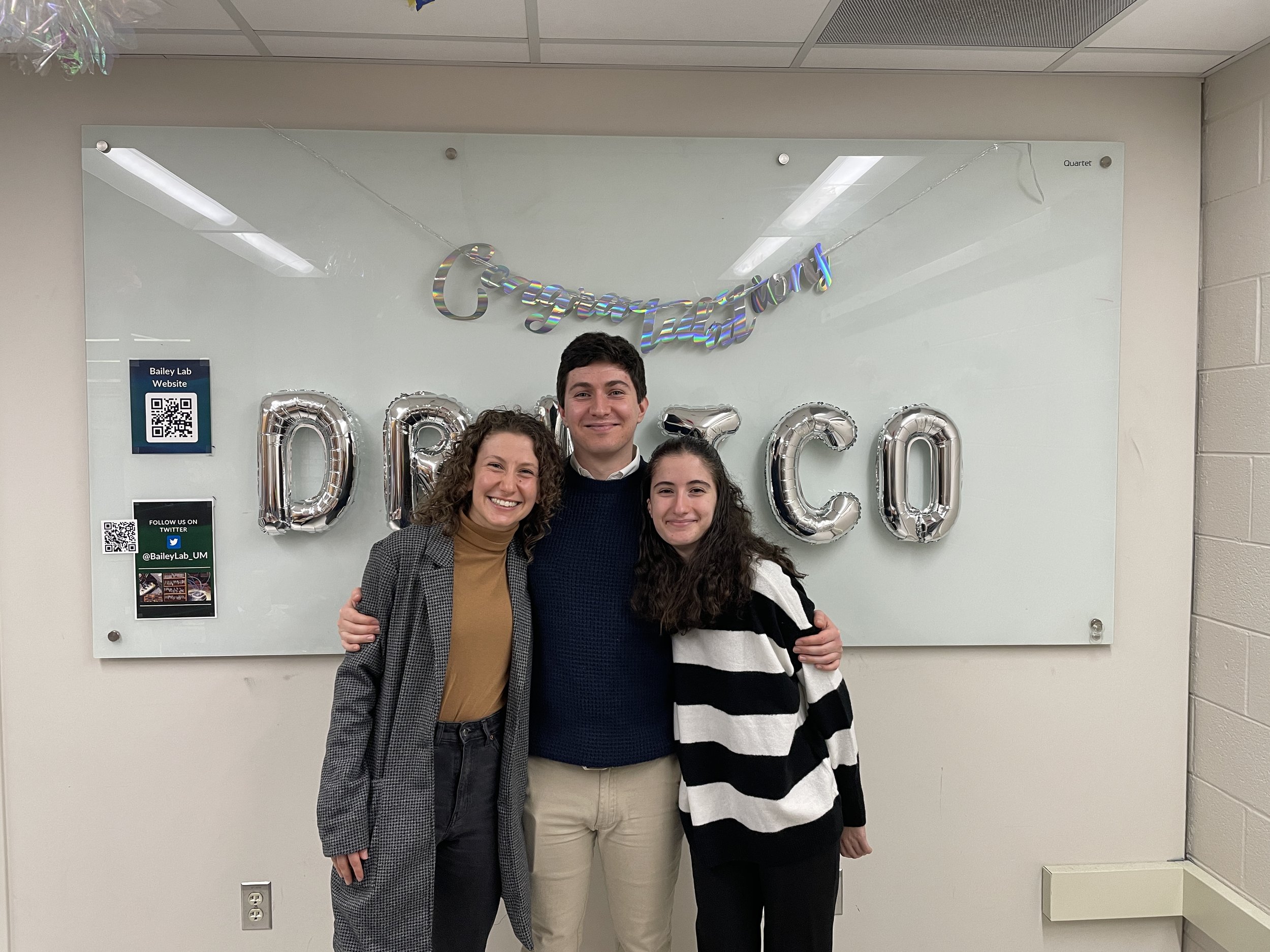
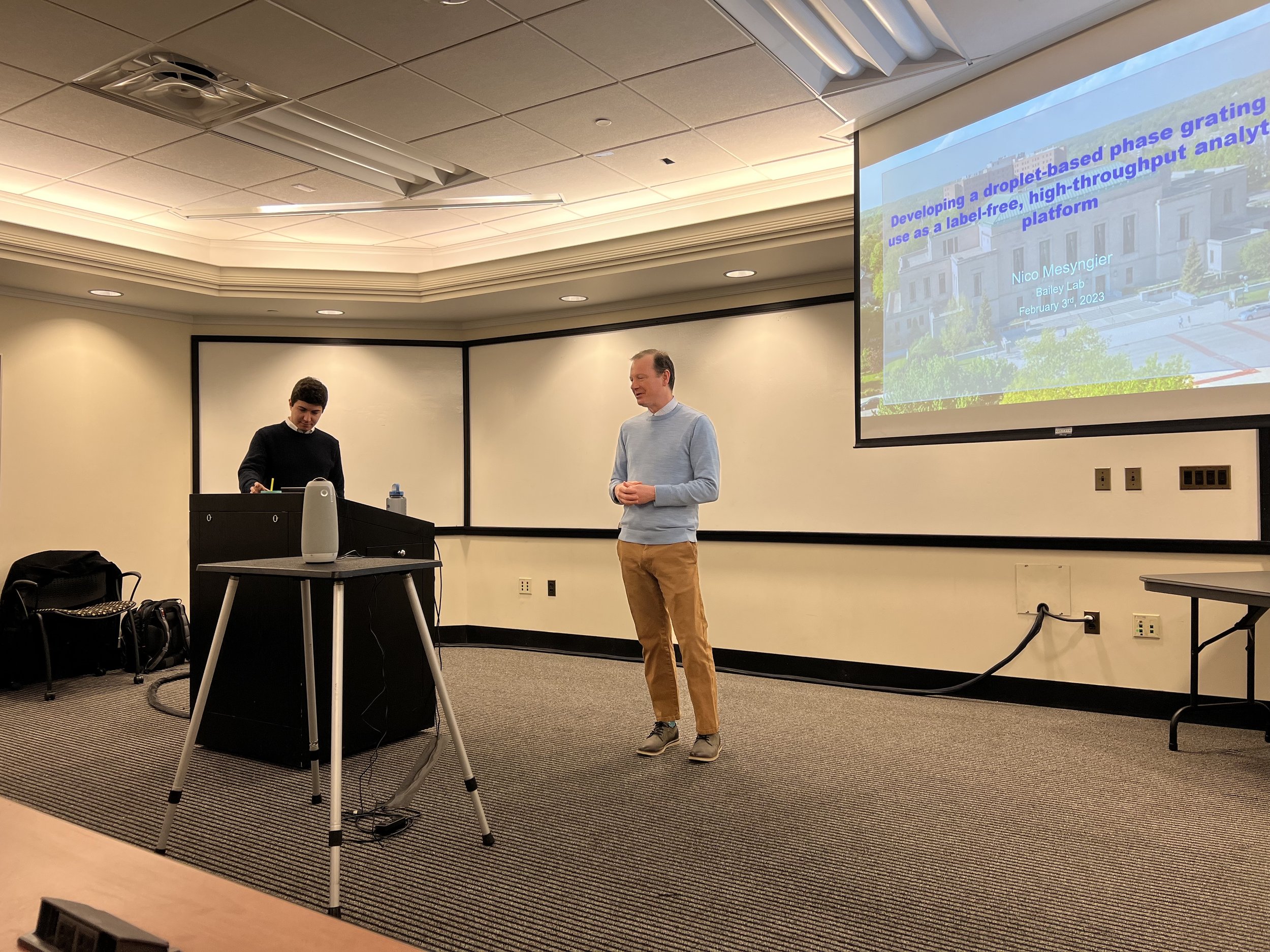
Congratulations to Dr. Nico Mesyngier!

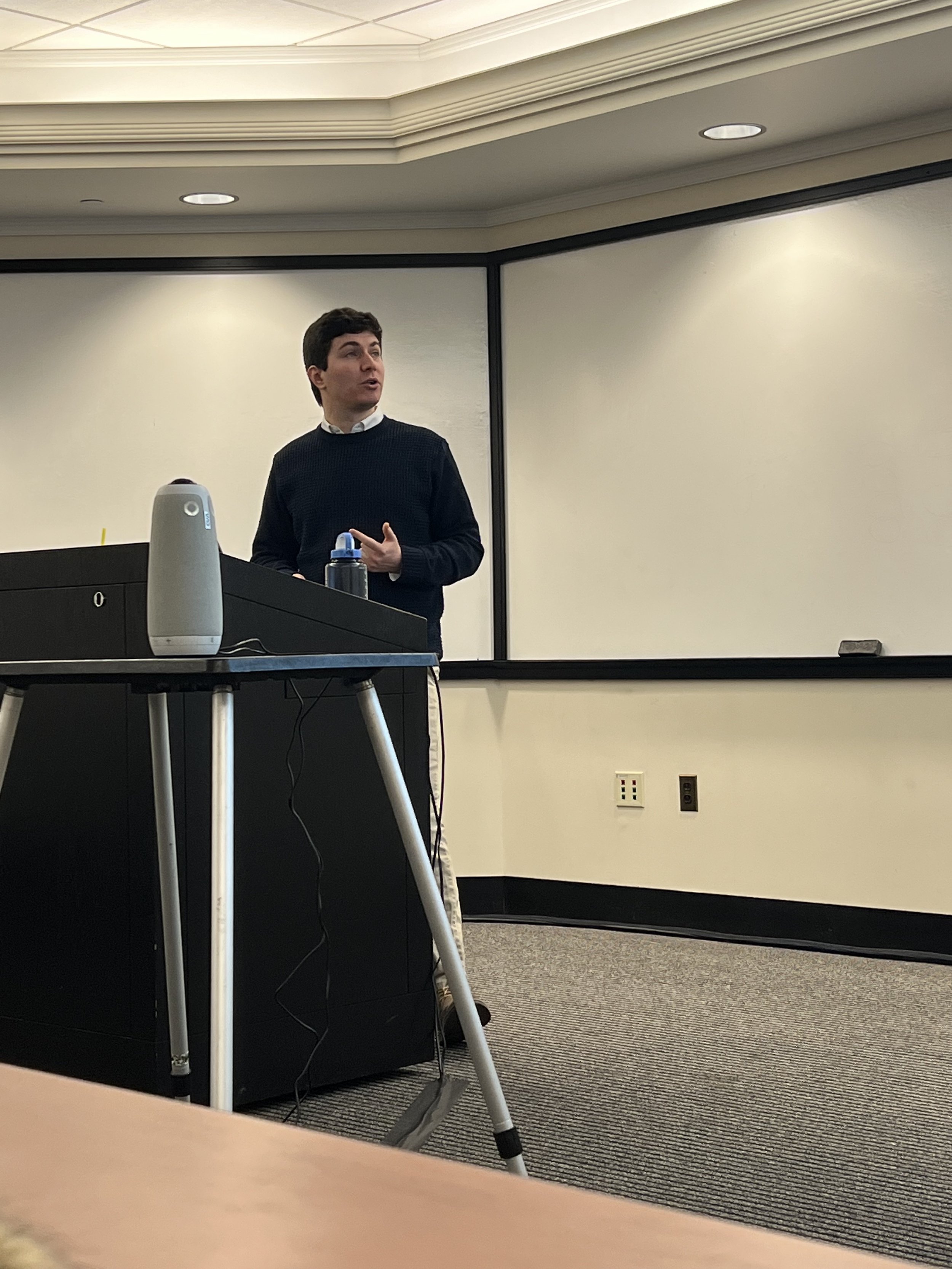
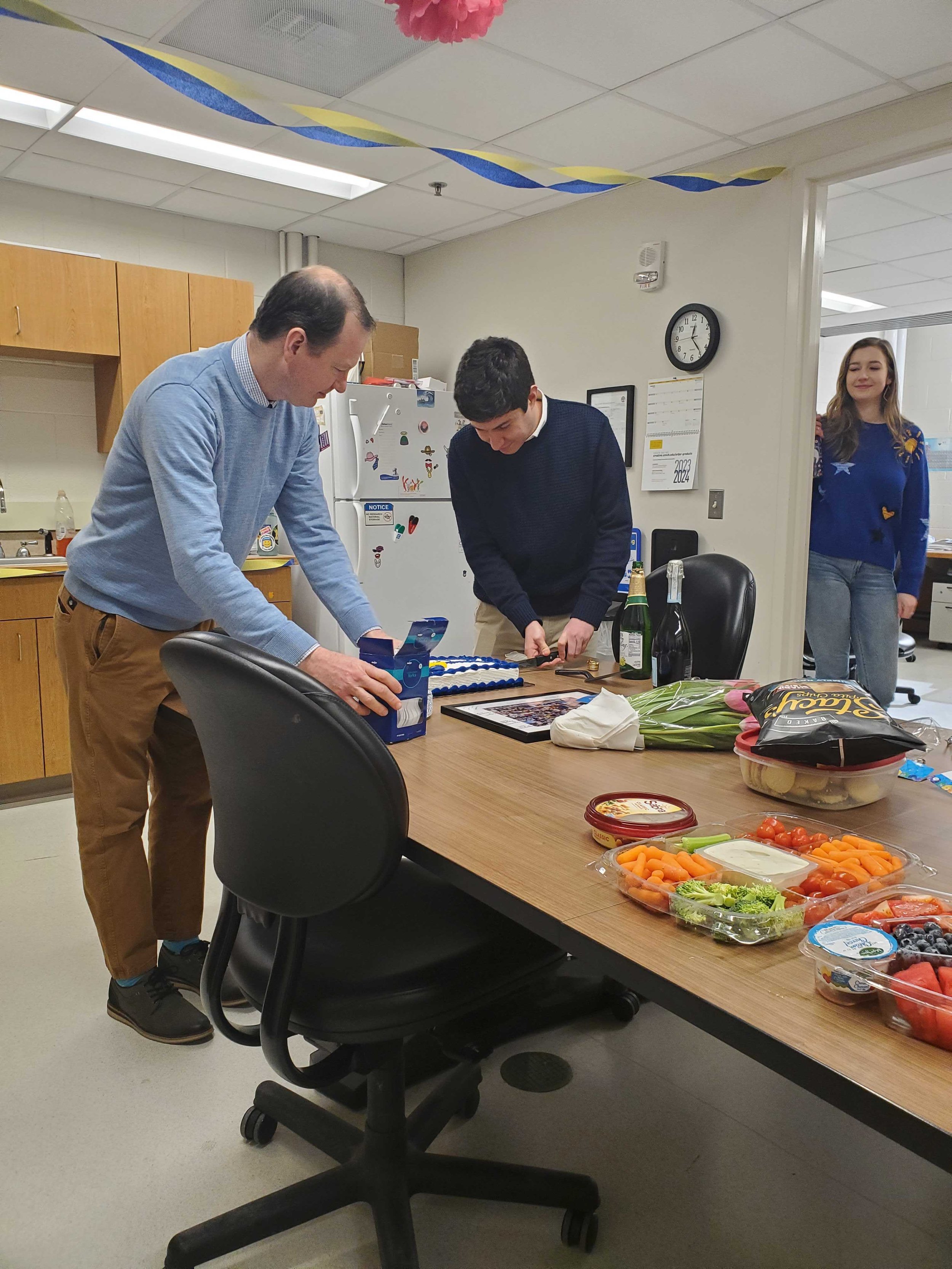
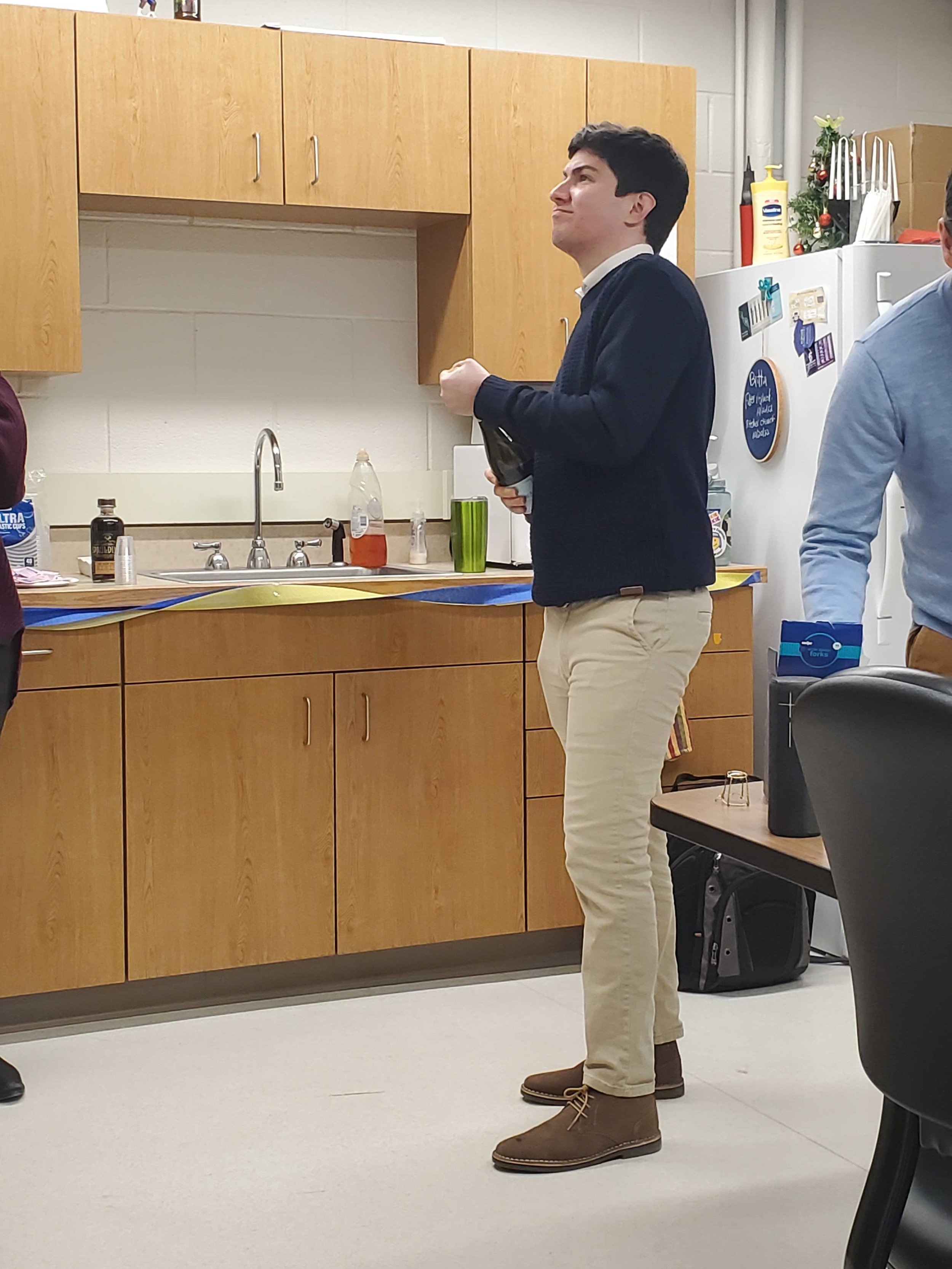
On February 4th, Nico successfully defended his thesis titled, “Developing a droplet-based phase grating for use as a label-free, high-throughput analytical platform”. His defense garnered great questions from the in-person and virtual audience. The lab then celebrated all of Nico’s accomplishments with cake, champagne, and great music!
Congratulations to Dr. Nico from all of us in the Bailey Lab!
Congratulations to Cole and Krista on their latest publication!
Chorioamnionitis-exposure alters serum cytokine trends in premature neonates

Abstract
Objectives: Determine if chronologic age and/or chorioamnionitis exposure alter normal serum cytokine and chemokine levels in uninfected preterm neonates during their initial NICU stay.
Study design: A 7-plex immunoassay measured levels of serum IL-1β, IL-6, IL-8, IL-10, TNF-α, CCL2, and CCL3 longitudinally from chorioamnionitis-exposed and unexposed preterm neonates under 33 weeks’ gestation.
Results: Chorioamnionitis-exposed and unexposed preterm neonates demonstrated differences in the trends of IL-1β, IL-6, IL-8, IL-10, TNF-α, and CCL2 over the first month of life. The unexposed neonates demonstrated elevated levels of these inflammatory markers in the first two weeks of life with a decrease by the third week of life, while the chorioamnionitis-exposed neonates demonstrated differences over time without a predictable pattern. Chorioamnionitis-exposed and unexposed neonates demonstrated altered IL-10 and TNF-α trajectories over the first twelve weeks of life.
Conclusion: Chorioamnionitis induces a state of immune dysregulation in preterm neonates that persists beyond the immediate neonatal period.
Read the full article here!
ANACHEM 2022

The 2022 ANACHEM Symposium was held by the Association of Analytical Chemists on Thursday, November 10th. The day-long symposium was filled with graduate research presentations, instrument workshops, a vendor fair, a poster session, and a plenary lecture by UM professor, and recipient of the 2021 ANACHEM award, Mark Meyerhoff.

Ryan gave a talk in the award session in honor of Professor Meyerhoff, where he discussed the microring resonator sensing platform and the work we are doing to improve LTBI diagnostics. Krista, a 4th year graduate student, presented her work on Ebola virus diagnostics using the mircorings in the morning academic research session. She was recognized as the top presentation in her session! Marina, a 5th year graduate student, presented her work on nanodisc characterization in one of the afternoon research sessions.

Krista and Marina, along with undergraduate researcher Sam, had a great time hearing about local analytical chemistry research, collecting pens and other goodies at the vendor fair, and getting to connect with other graduate students!
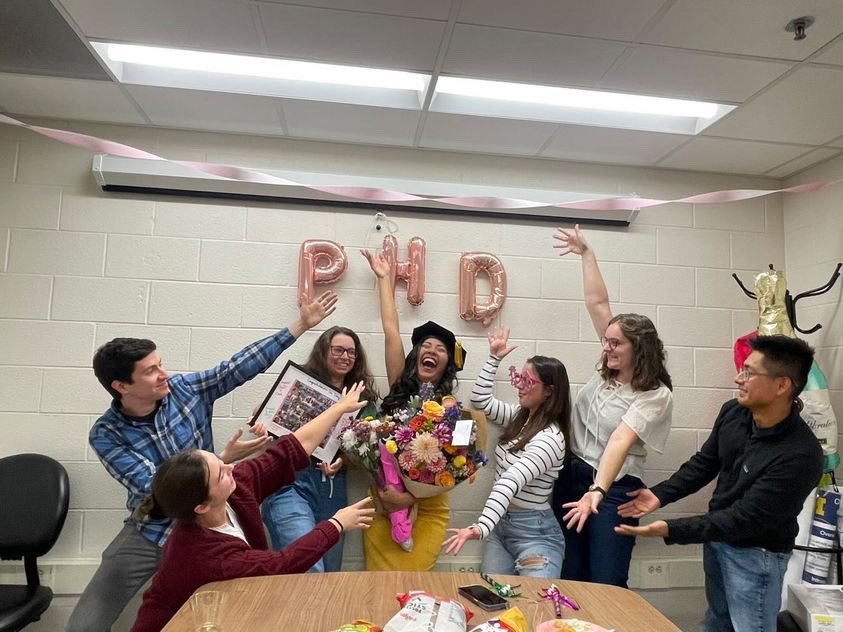
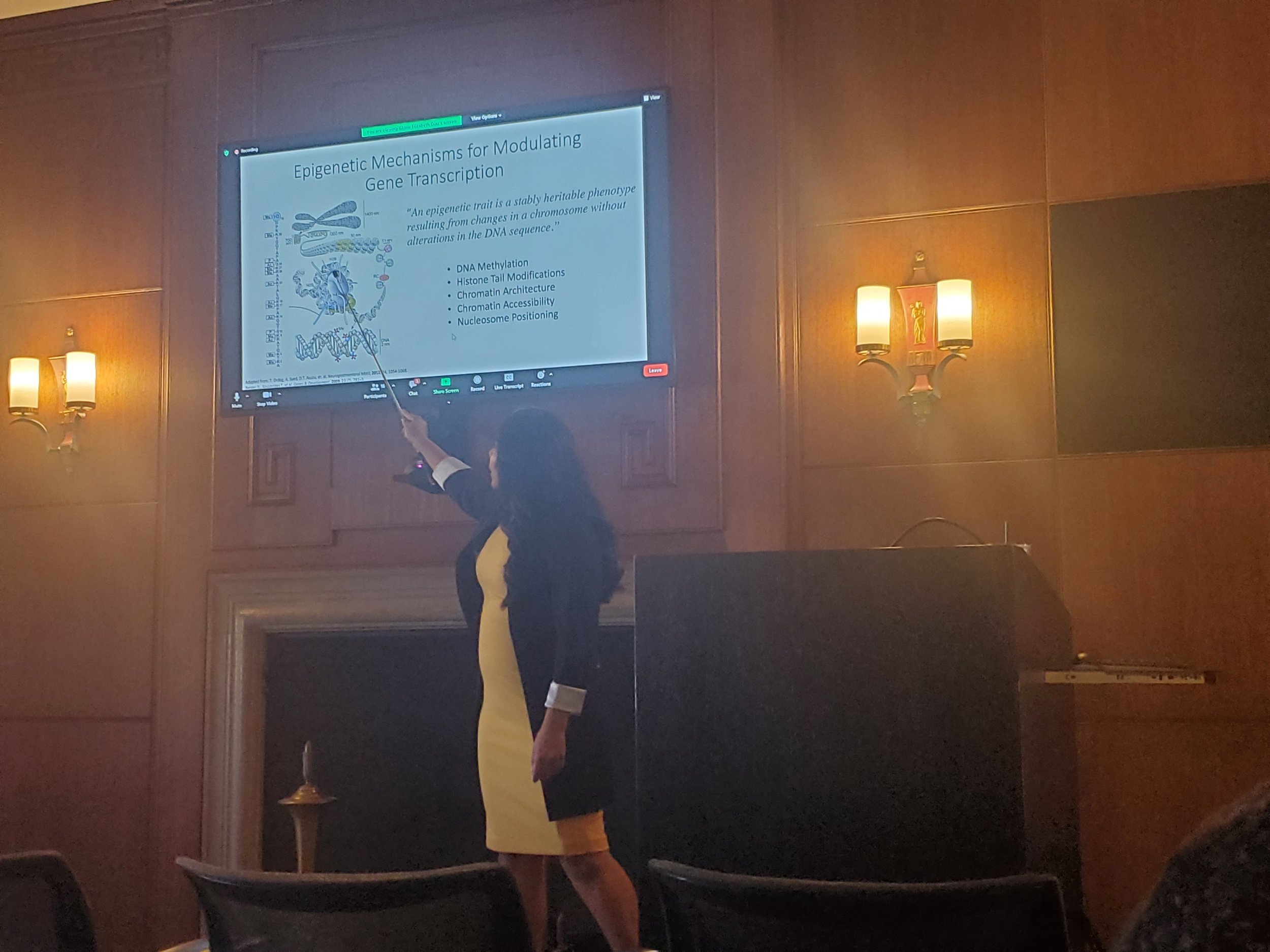
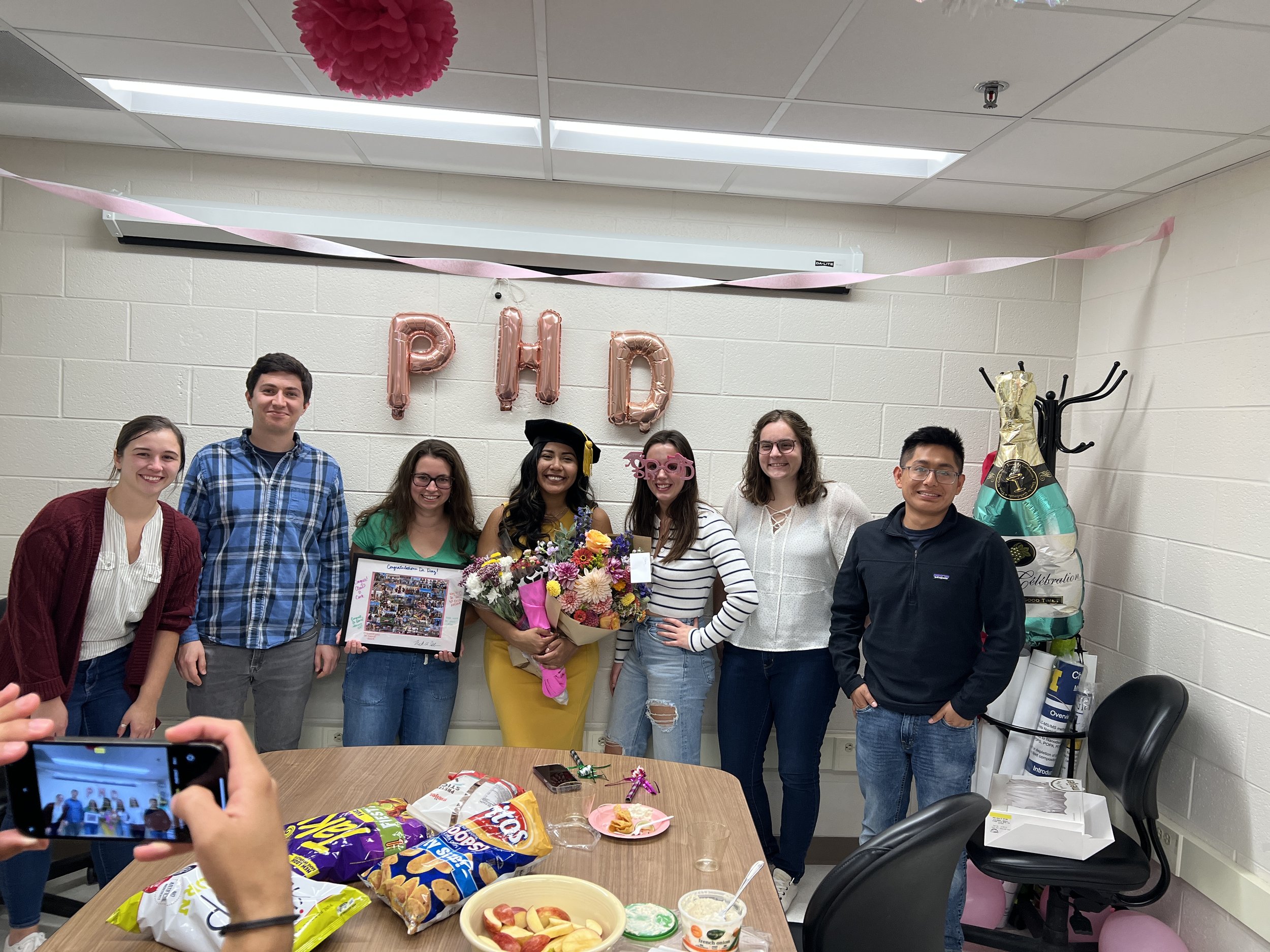
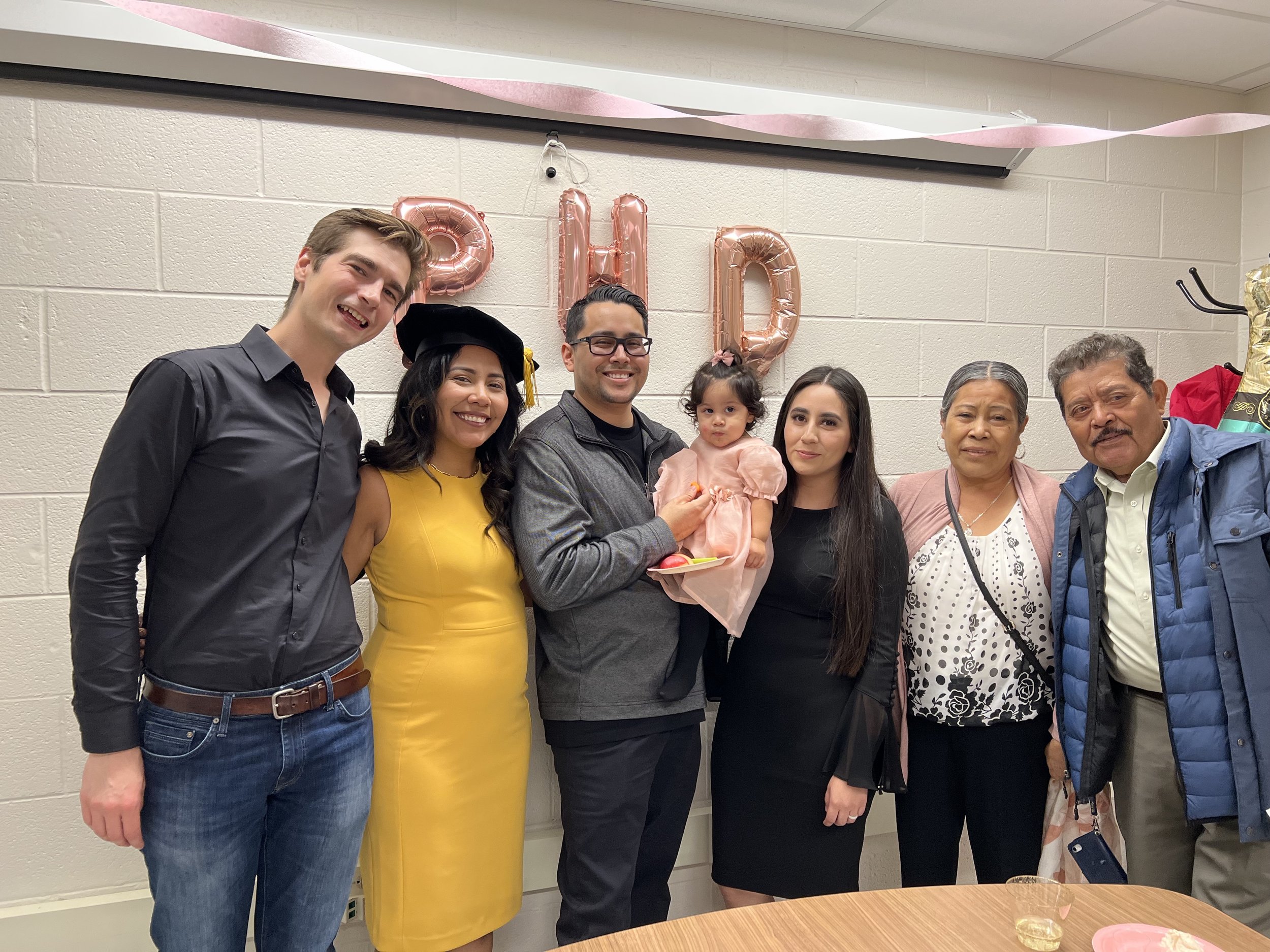
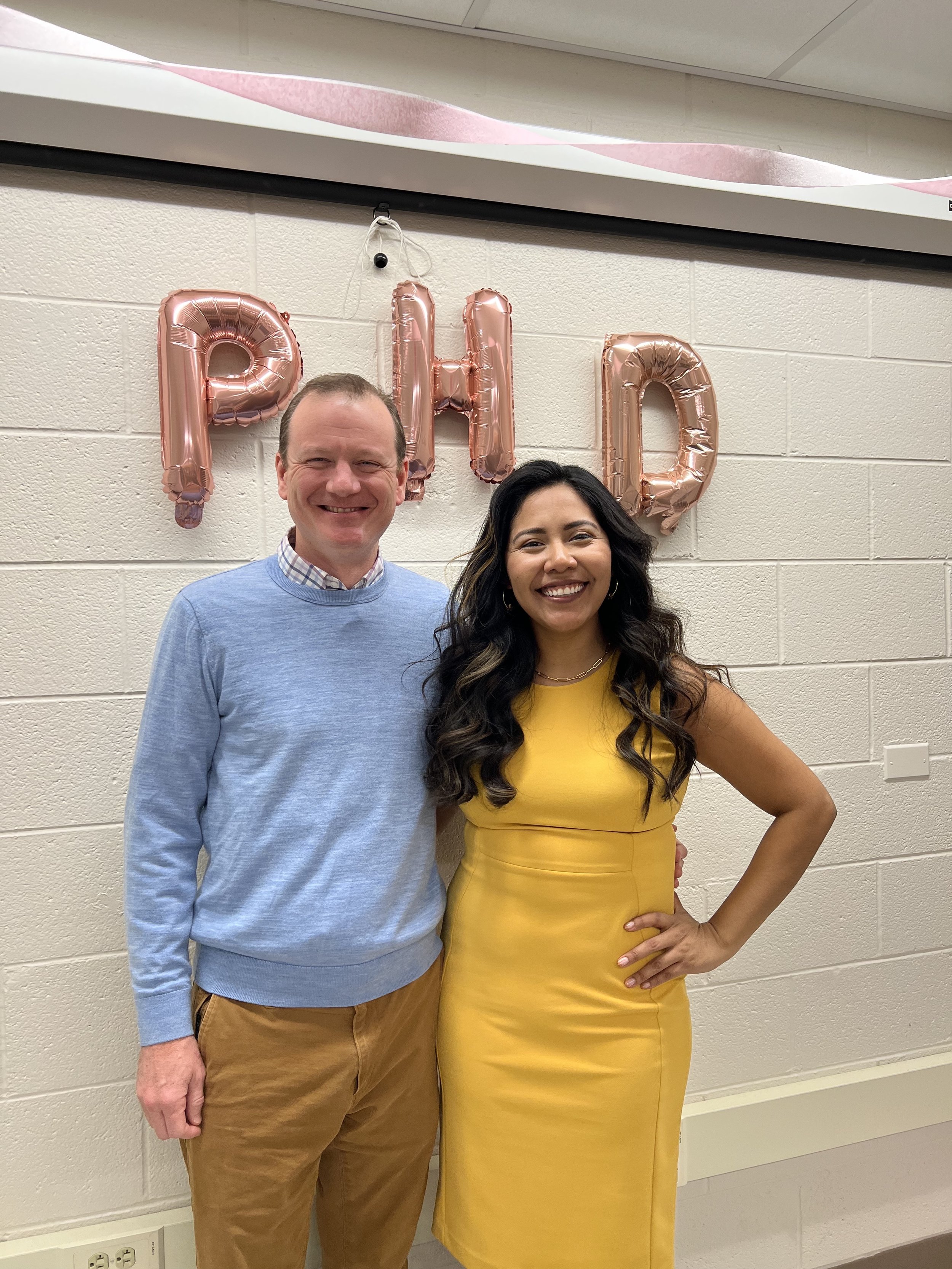
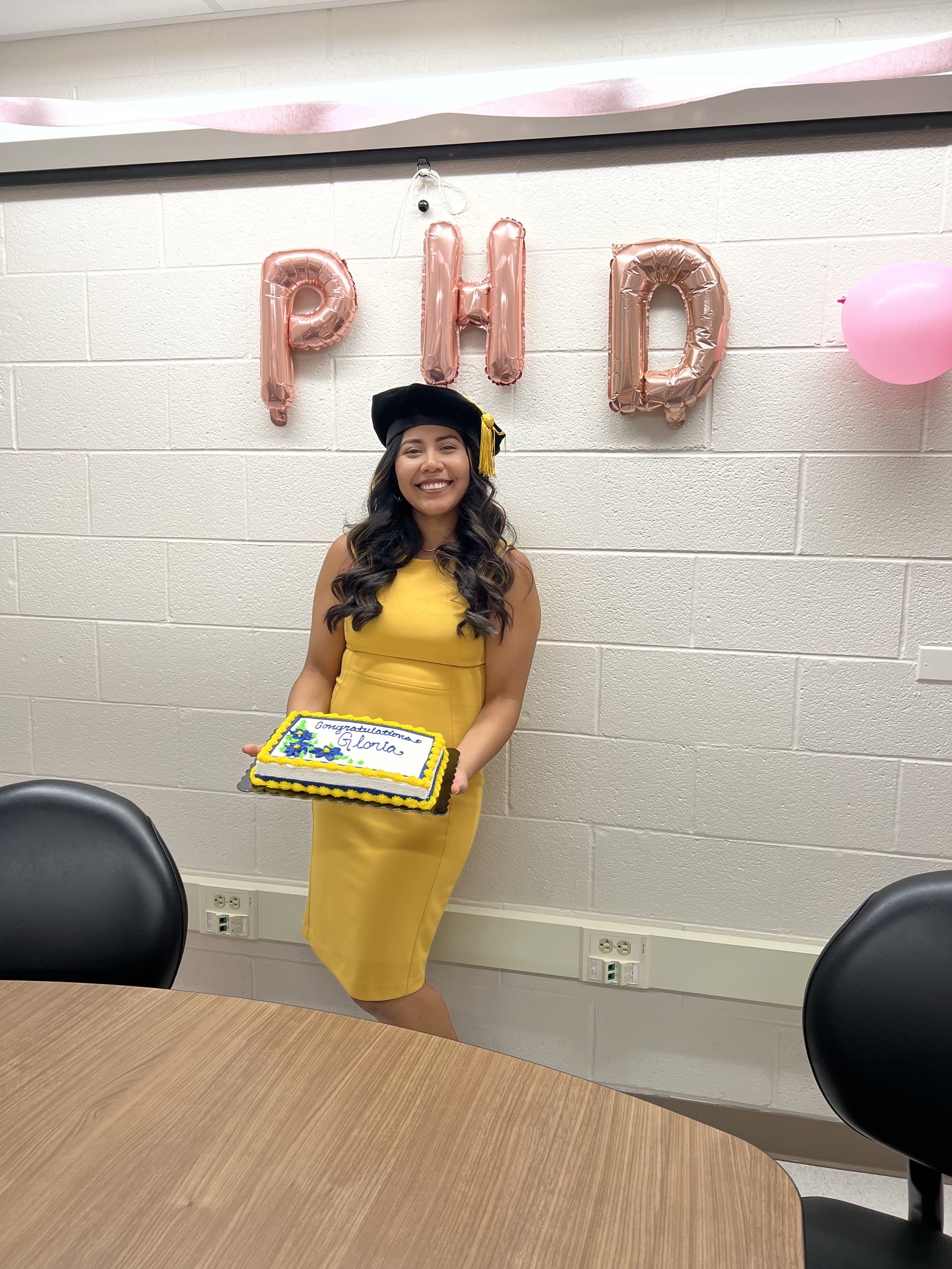
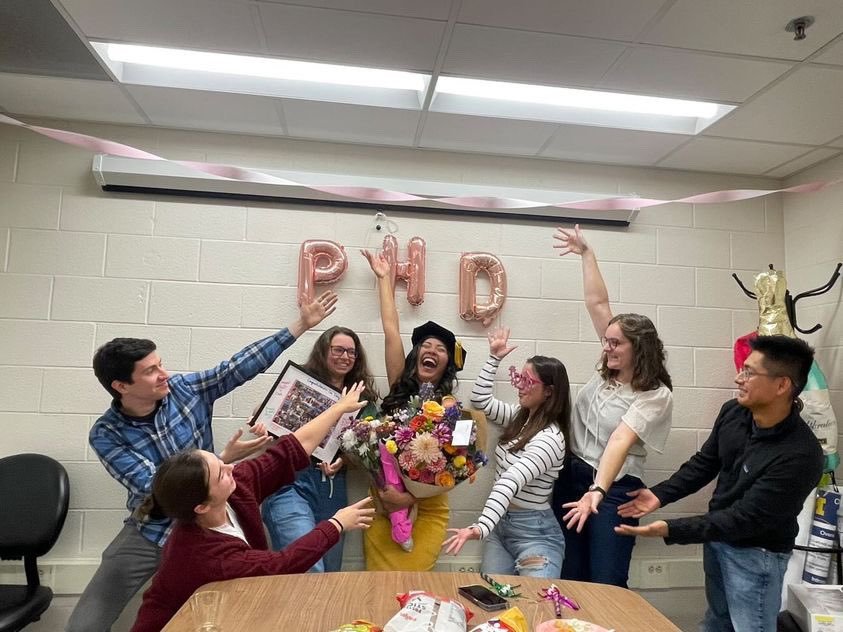
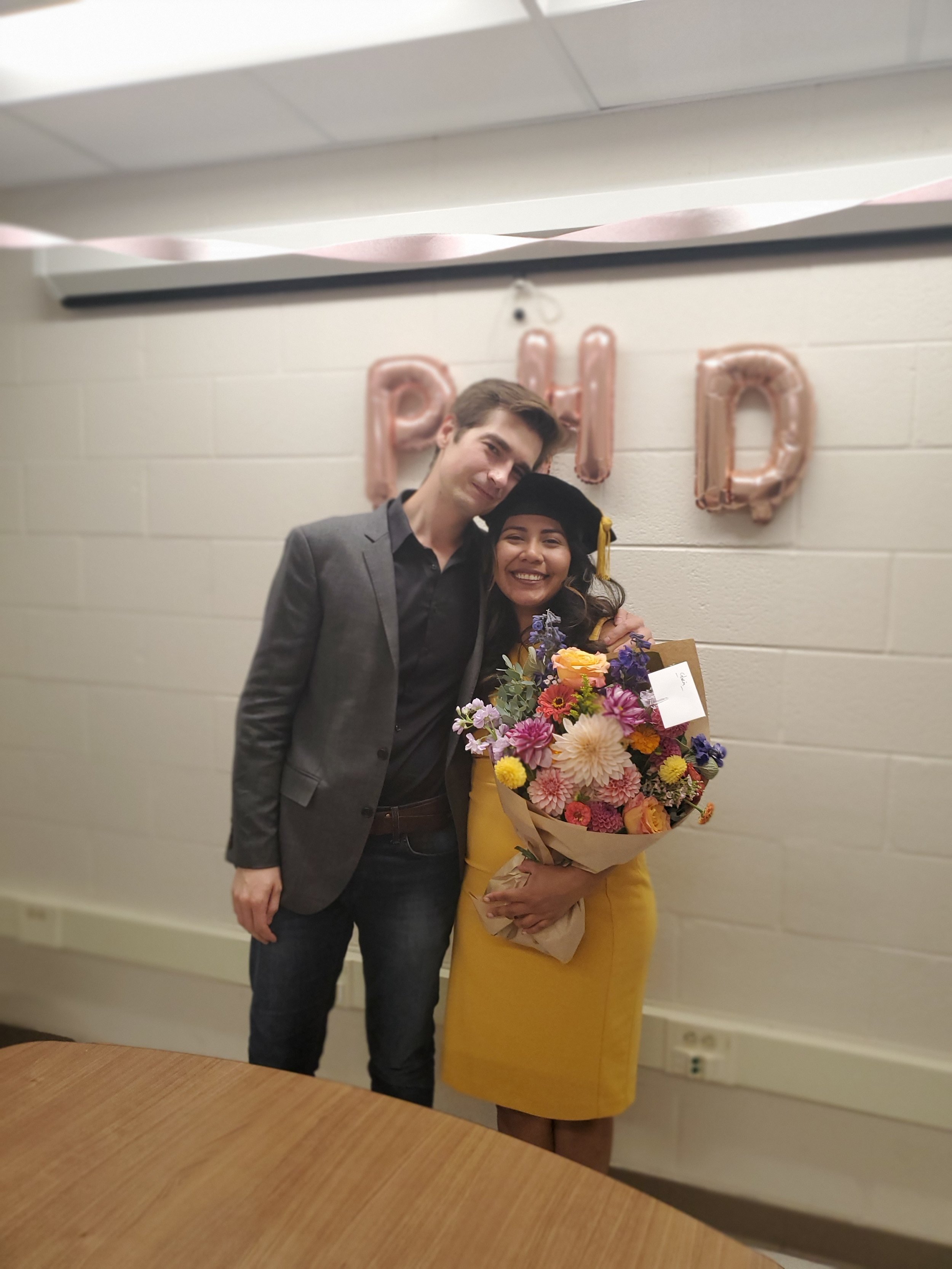
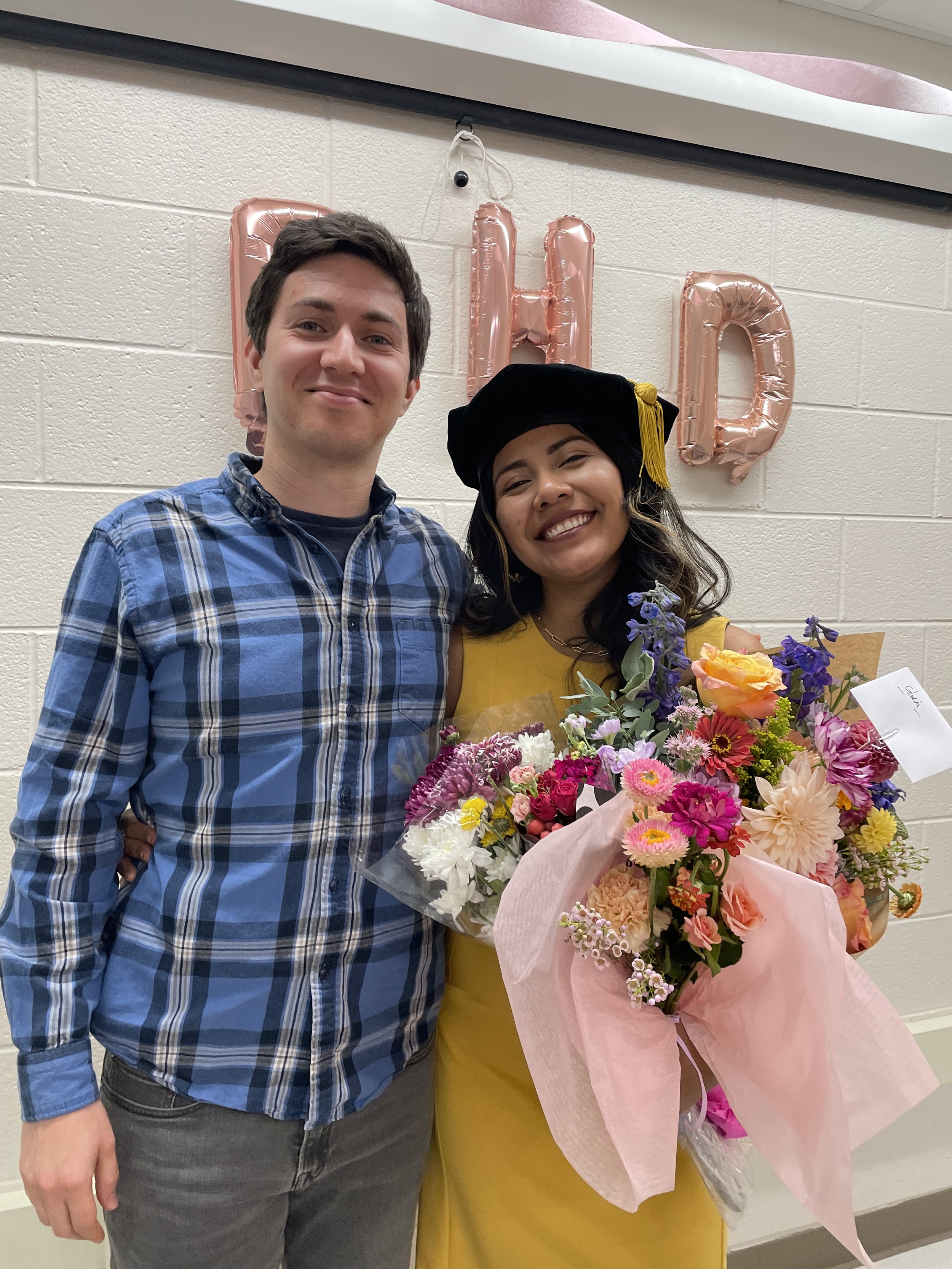
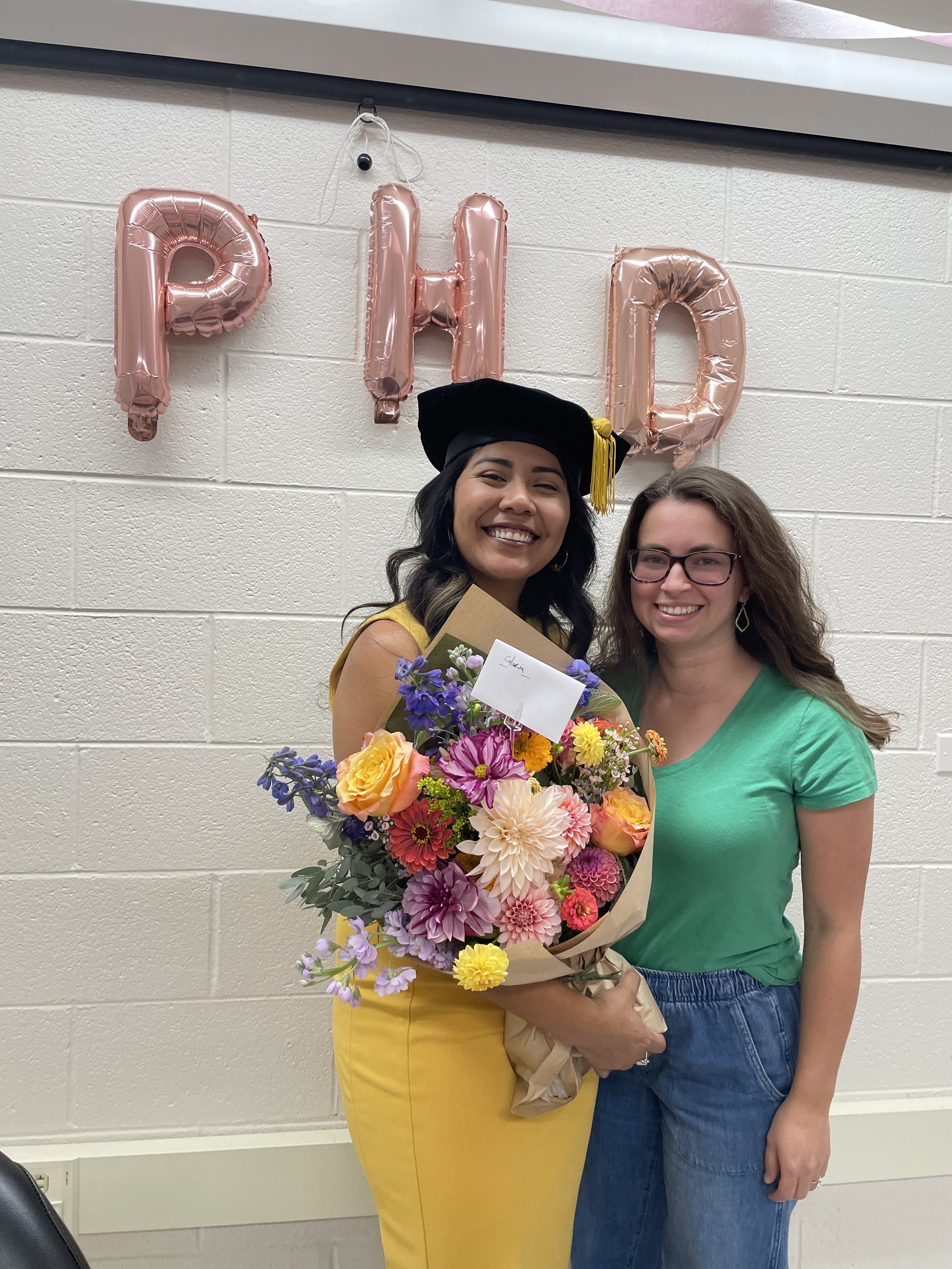
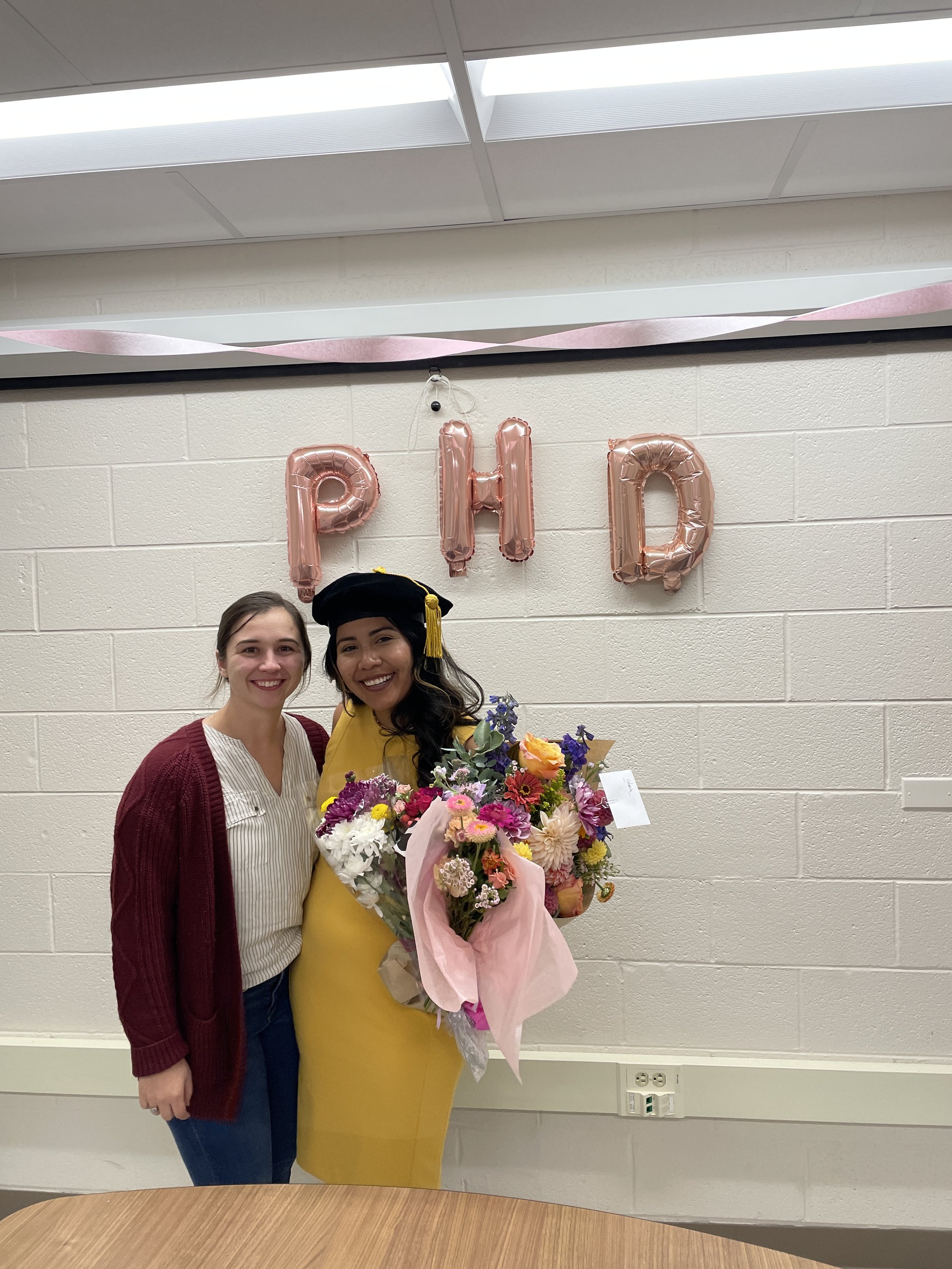
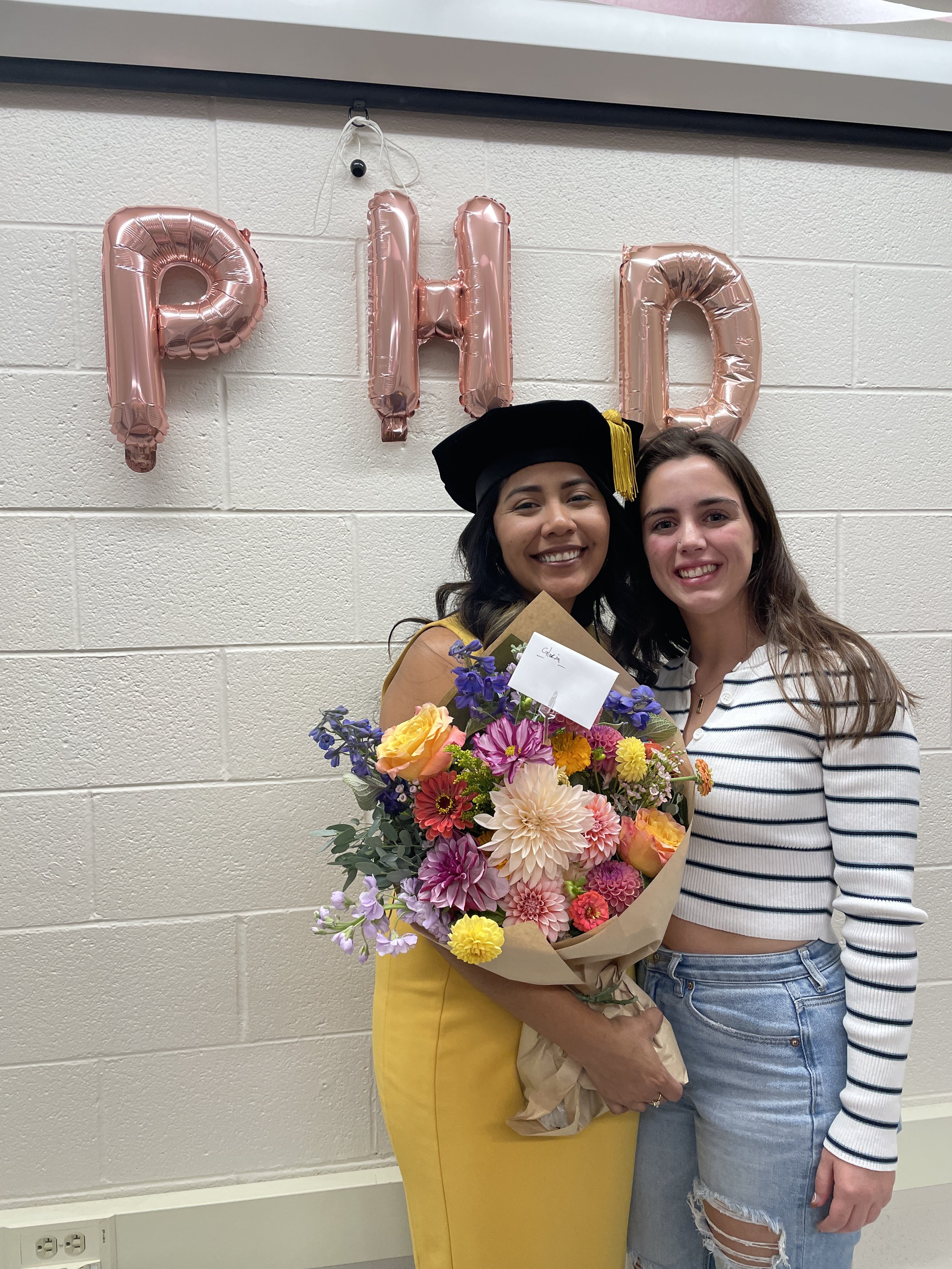
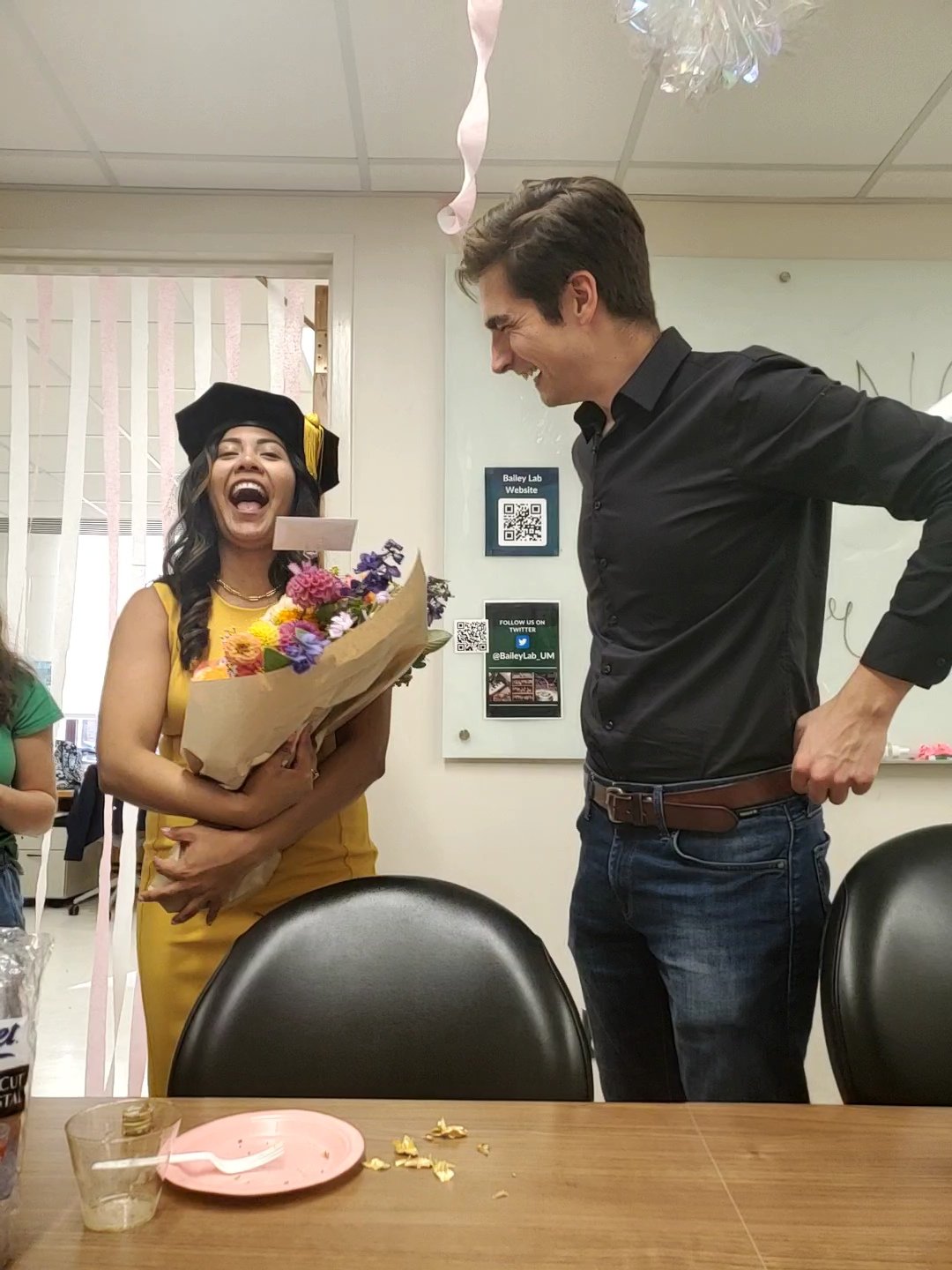
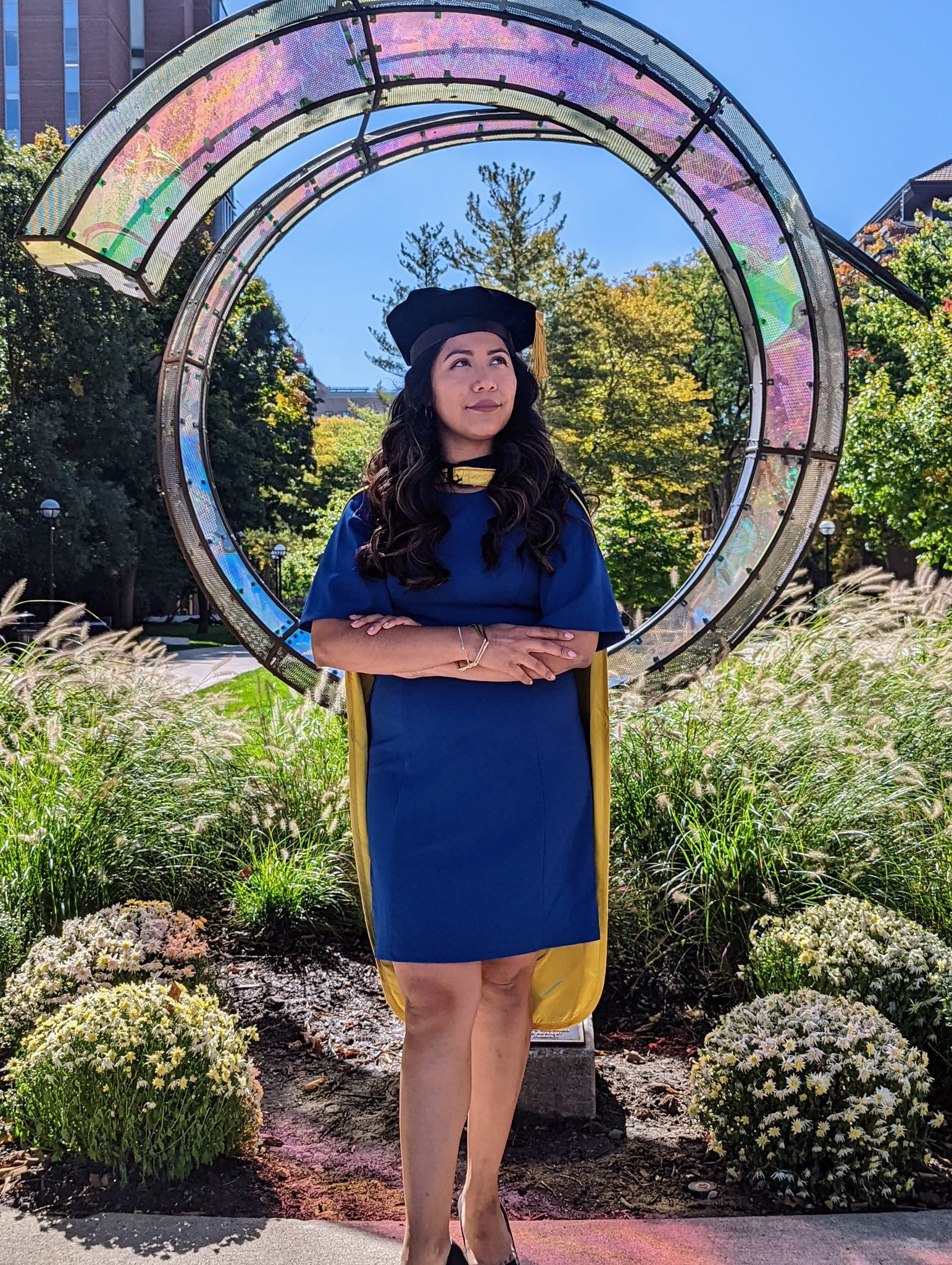
Congratulations to Dr. Gloria Diaz!
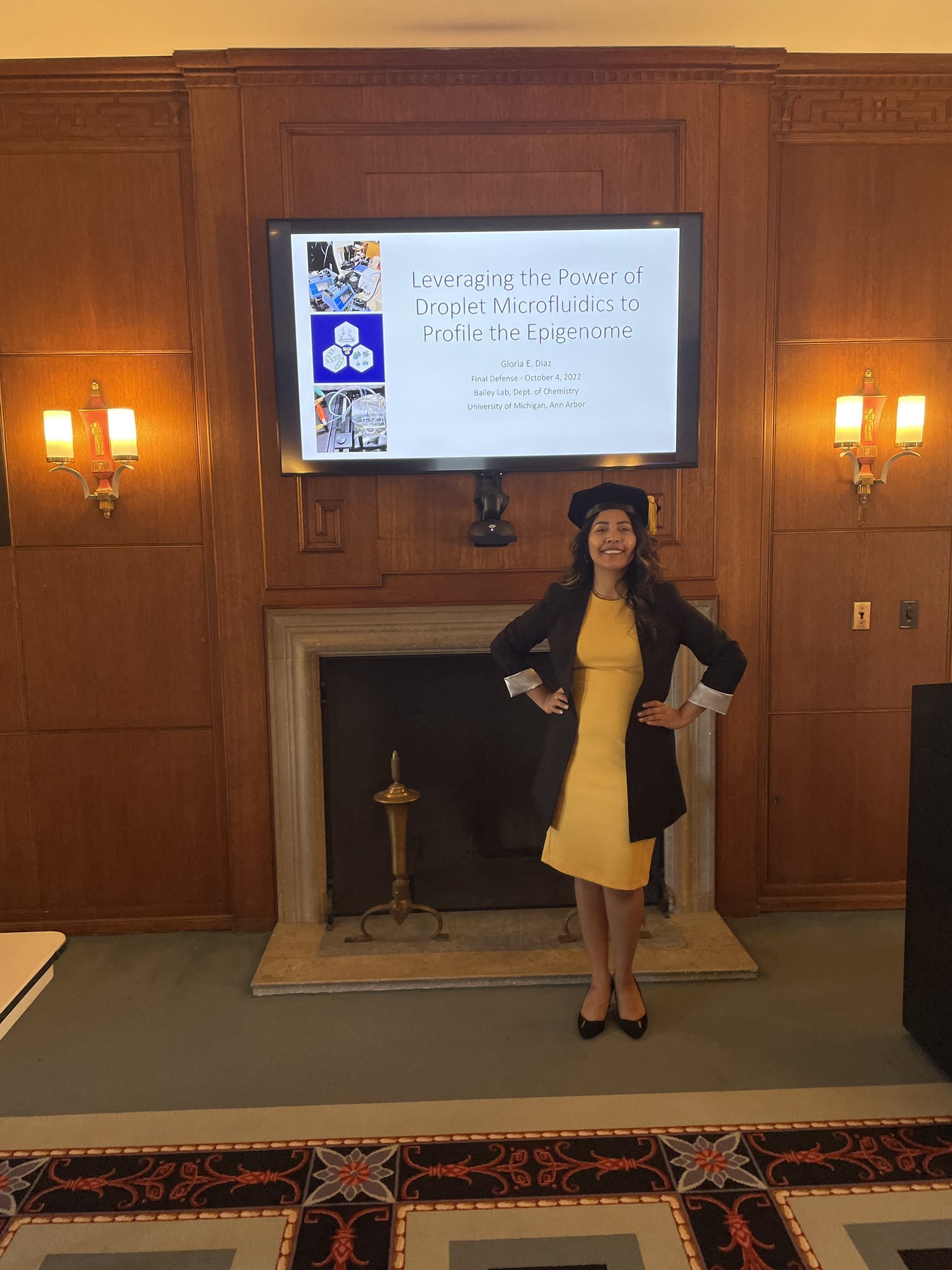
On October 4th, Gloria successfully defended her thesis titled “Leveraging the Power of Droplet Microfluidics to Profile the Epigenome”. Her defense was well attended both in-person and virtually and marked the first in-person Bailey Lab defense in three years! The lab was excited to come together and celebrate Dr. Diaz’s accomplishments in and out of the lab.
Congratulations to Gloria from all of us in the Bailey Lab!
Two recent publications for the Bailey Lab!
Congratulations to co-first authors, current graduate student Krista Meserve and lab alumnus Dr. Abe Qavi, for their latest publication! Their protocol paper explains the method they used for the detection of EBOV and SUDV sGP using the microring resonators. Check out the full protocol here.
Detection of biomarkers for filoviral infection with a silicon photonic resonator platform

Summary: This protocol describes the use of silicon photonic microring resonator sensors for detection of Ebola virus (EBOV) and Sudan virus (SUDV) soluble glycoprotein (sGP). This protocol encompasses biosensor functionalization of silicon microring resonator chips, detection of protein biomarkers in sera, preparing calibration standards for analytical validation, and quantification of the results from these experiments. This protocol is readily adaptable toward other analytes, including cytokines, chemokines, nucleic acids, and viruses.
In addition, congratulations to lab alumna, Dr. Colleen Riordan, for her contributions to a recently published paper in collaboration wtih the Marsh lab at UM! Check out the full publication here.
Purification of the full-length, membrane-associated form of the antiviral enzyme viperin utilizing nanodiscs

Abstract: Viperin is a radical S-adenosylmethionine enzyme that catalyzes the formation of the antiviral ribonucleotide, 3’-deoxy-3’,4’-didehydroCTP. The enzyme is conserved across all kingdoms of life, and in higher animals viperin is localized to the ER-membrane and lipid droplets through an N-terminal extension that forms an amphipathic helix. Evidence suggests that the N-terminal extension plays an important role in viperin’s interactions with other membrane proteins. These interactions serve to modulate the activity of various other enzymes that are important for viral replication and constitute another facet of viperin’s antiviral properties, distinct from its catalytic activity. However, the full-length form of the enzyme, which has proved refractory to expression in E. coli, has not been previously purified. Here we report the purification of the full-length form of viperin from HEK293T cells transfected with viperin. The purification method utilizes nanodiscs to maintain the protein in its membrane-bound state. Unexpectedly, the enzyme exhibits significantly lower catalytic activity once purified, suggesting that interactions with other ER-membrane components may be important to maintain viperin’s activity.
Claire presents at Nerd Nite!
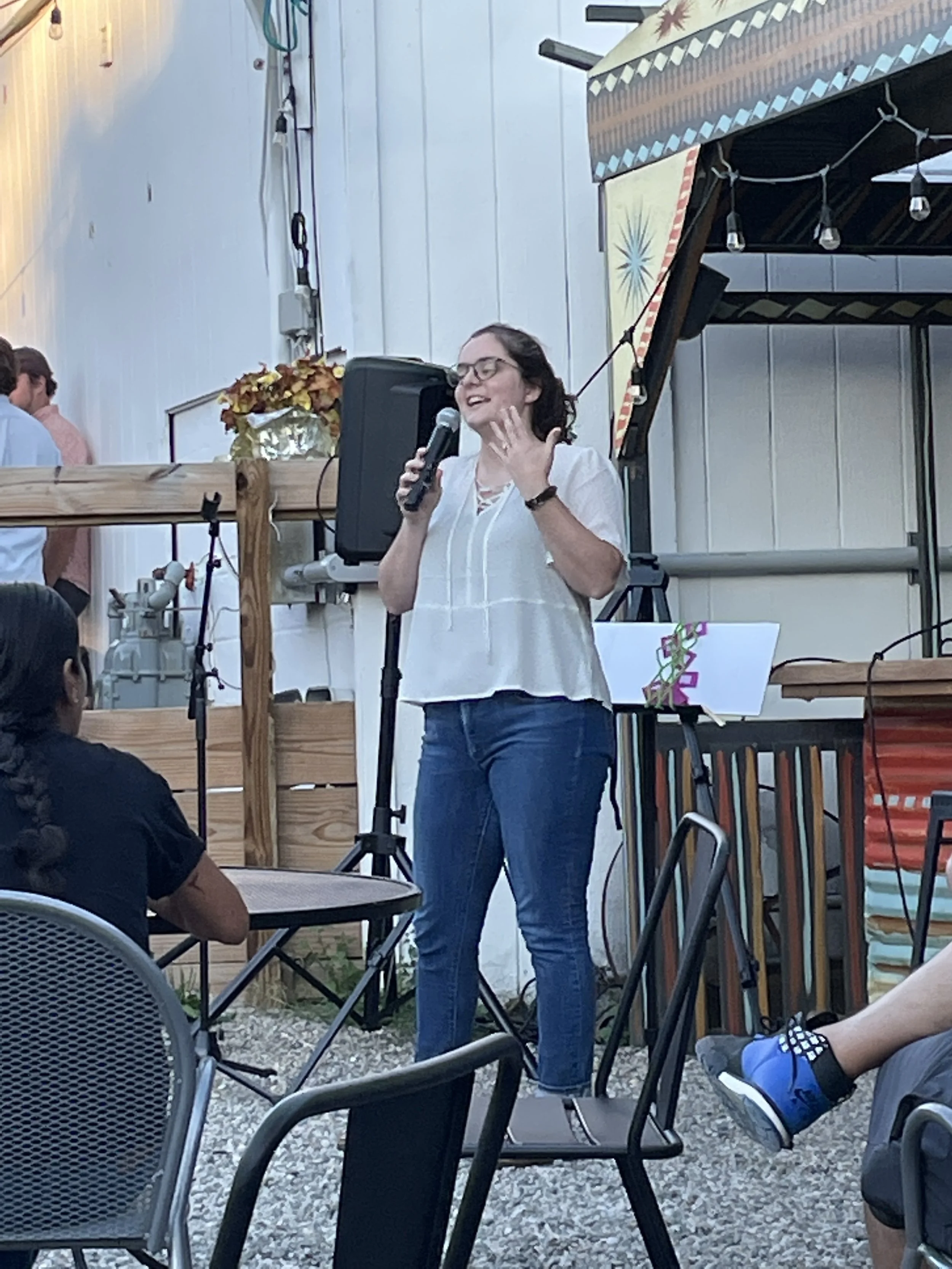
Nerd Nite Ann Arbor is a monthly event organized by the Ann Arbor District Library to promote fun learning and outreach. Each month, three speakers take 15-20 minutes to give an informative, yet informal (no slides allowed!), talk on a topic that they research, or just know a lot about! It is a great place for the speakers to practice their communication skills and it is great entertainment for the audience. Everyone walks away knowing a little bit more about three different topics.
Claire prepared a talk titled “The Microfluidics of an At-home Covid Test”. This was a great topic for Claire to present, as her research in the Bailey Lab focuses on developing microfluidic devices for epigenetic profiling. It was also a topic that easily connected to the diverse audience, as almost everyone has endured one of these lateral flow assays in the past two years.
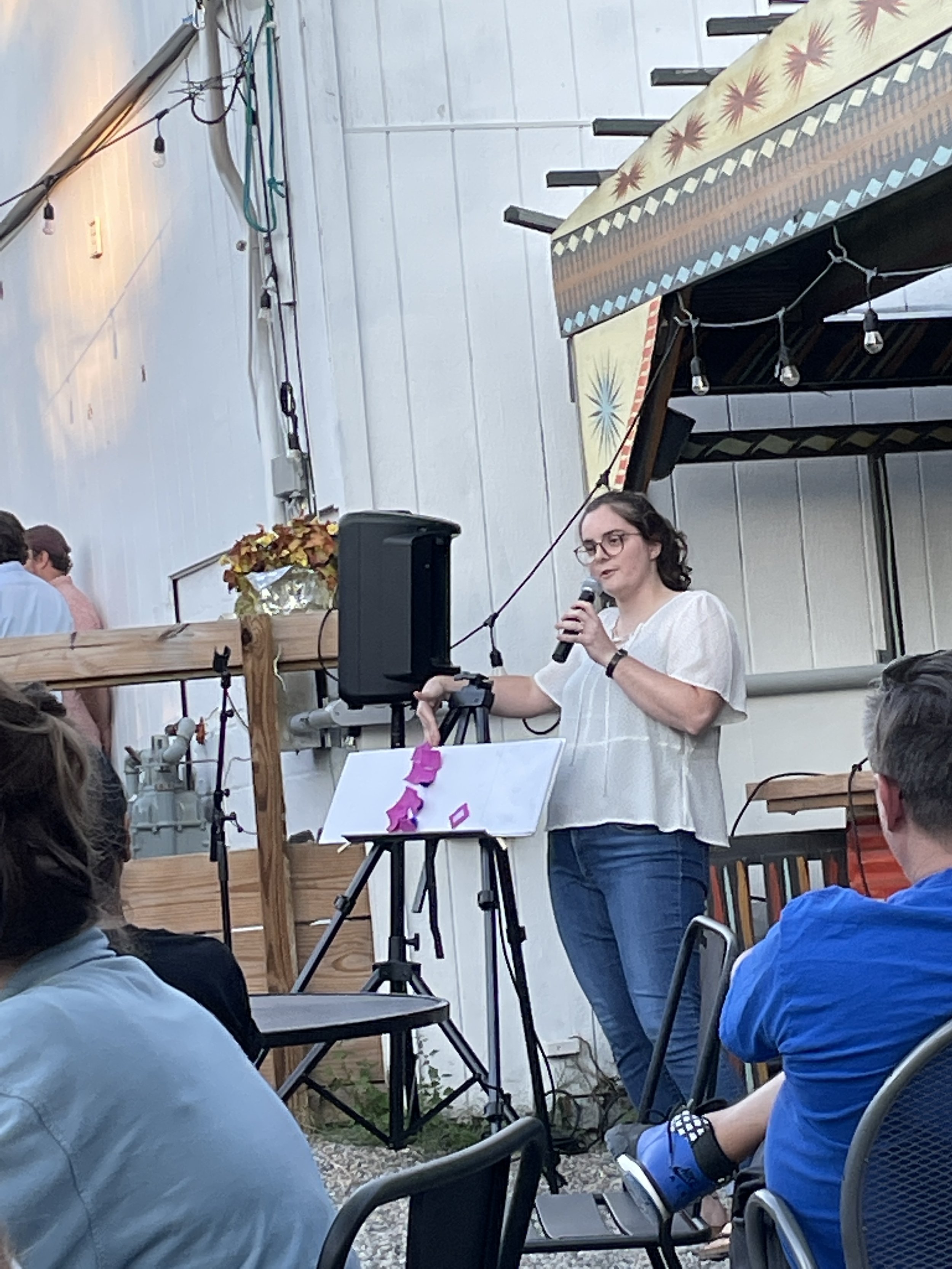
Claire constructed a giant replica of a covid antigen test, complete with pom-poms for antigens and velcro strips as a capture agent, to walk us through the steps in the test. It was a great presentation and we are all very proud of Claire for partaking in the event! The other two presenters taught us about knot tying and the musical genre, Ska. We all learned something new!
For more information about Nerd Nite in Ann Arbor, visit their website here!
2022 Karle Symposium Recap

The 2022 Karle Symposium was held in the chemistry building last week. The Karle symposium is a yearly event named for Isabella and Jerome Karle, distinguished graduates of our department, who worked together to advance X-ray crystallography methods. This year’s keynote speaker was Dr. Alan Aspuru-Guzik from the University of Toronto.

The Bailey Lab was represented by rising fifth-year, Marina Sarcinella (above), and rising fourth-year, Krista Meserve (left), who presented their work as posters in the poster sessions. Krista won a travel award for her work on Ebola Virus diagnostics! Great job to both!

In addition to the Karle Symposium, the ALUMINUM (Alumni Networking at UMich) and URANIUM (Undergraduate Research and Networking at UMich) symposia were held last week. Rising senior, Sam Edgcombe (right), presented her work on nanodisc optimization at the poster session. Awesome job, Sam!
Bioanalytical Sensors GRC Recap
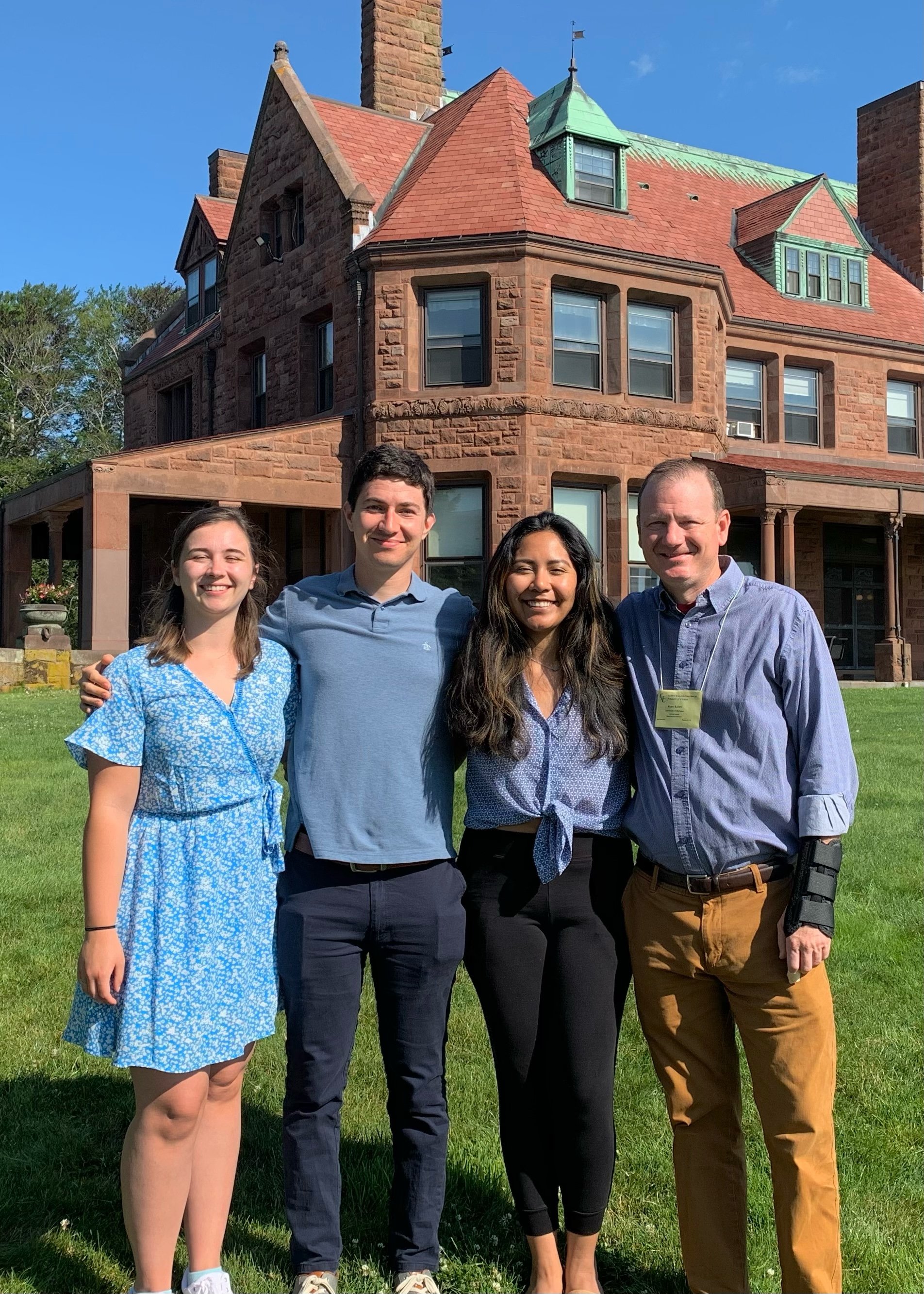
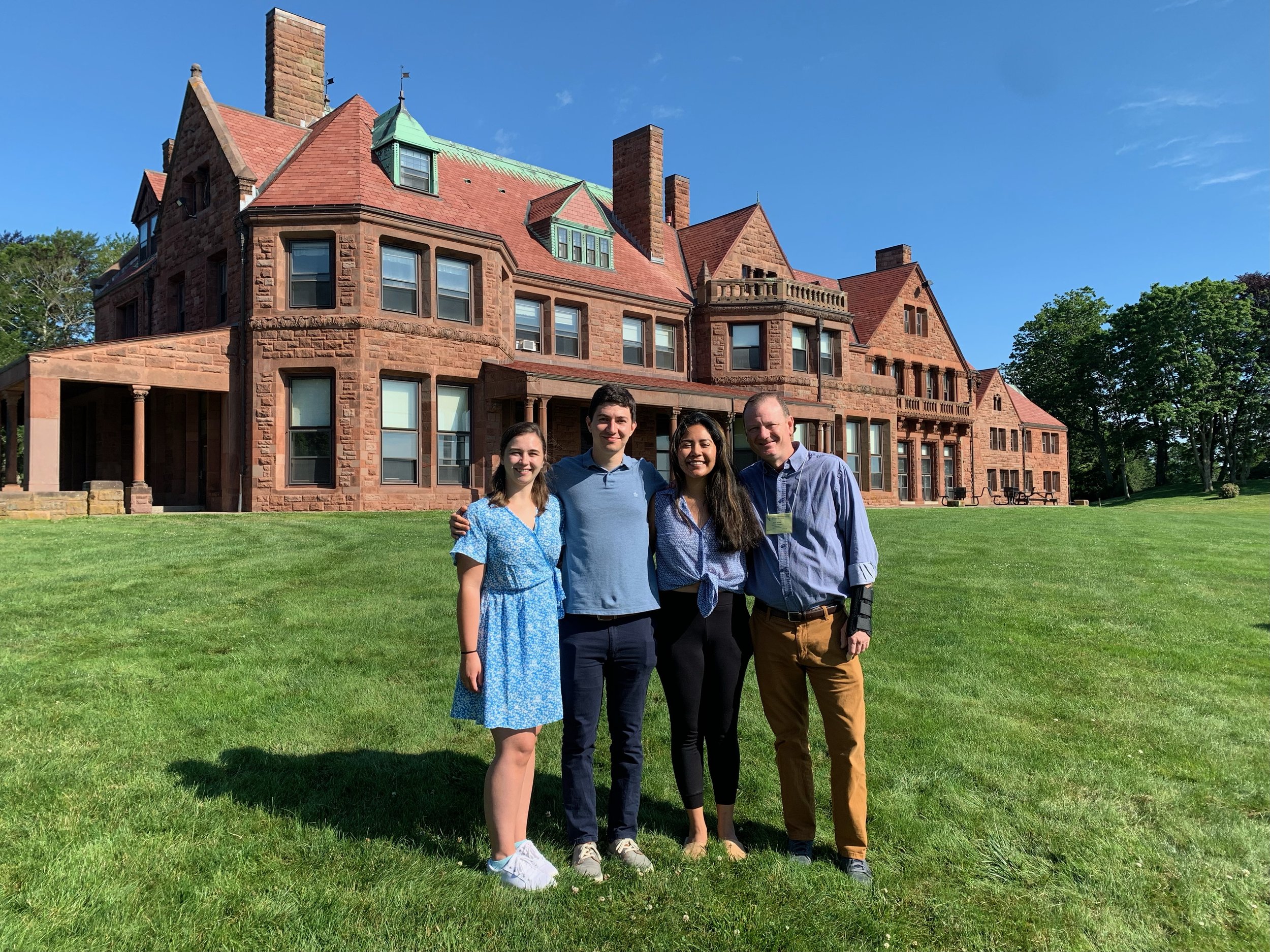
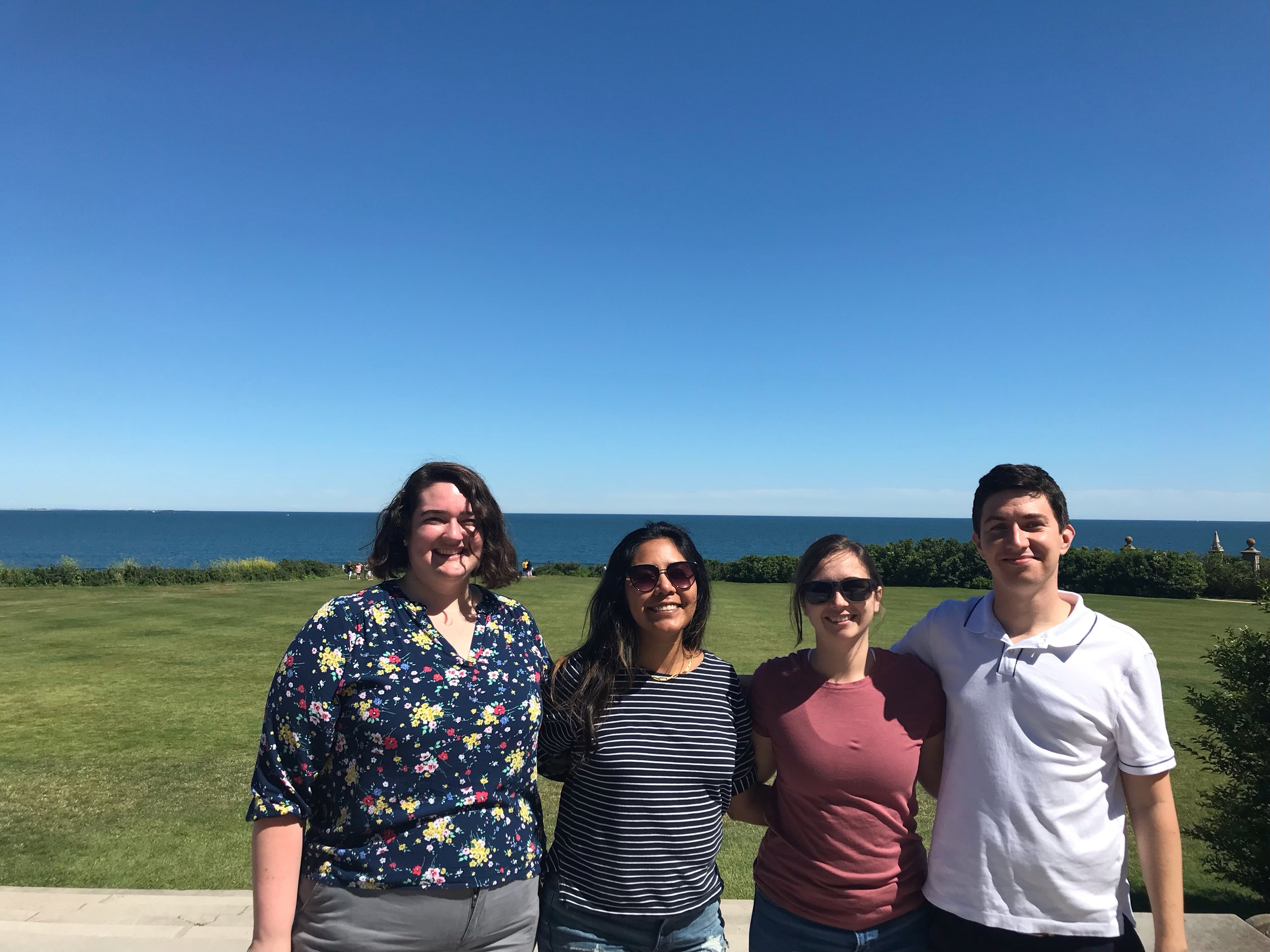
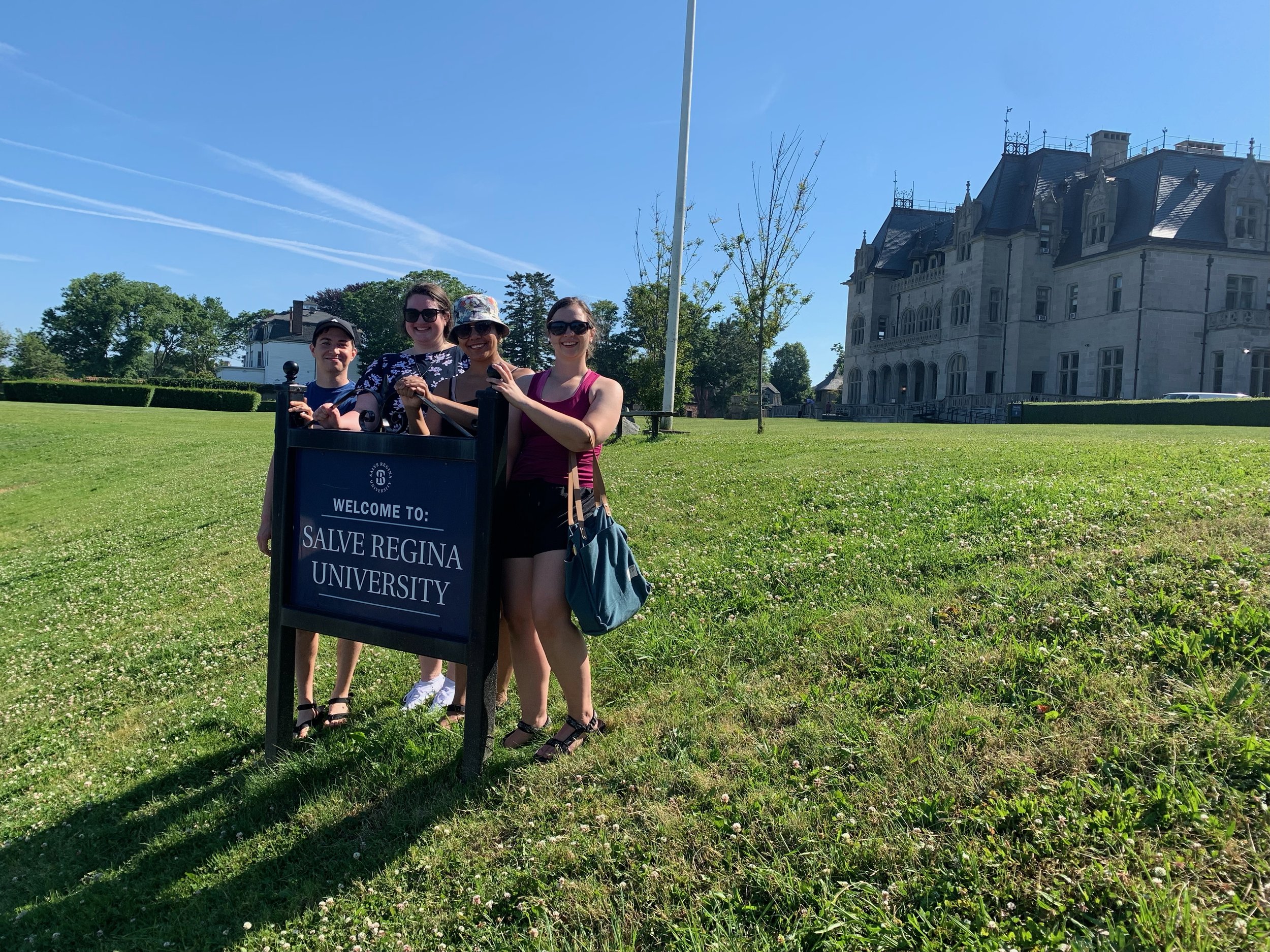
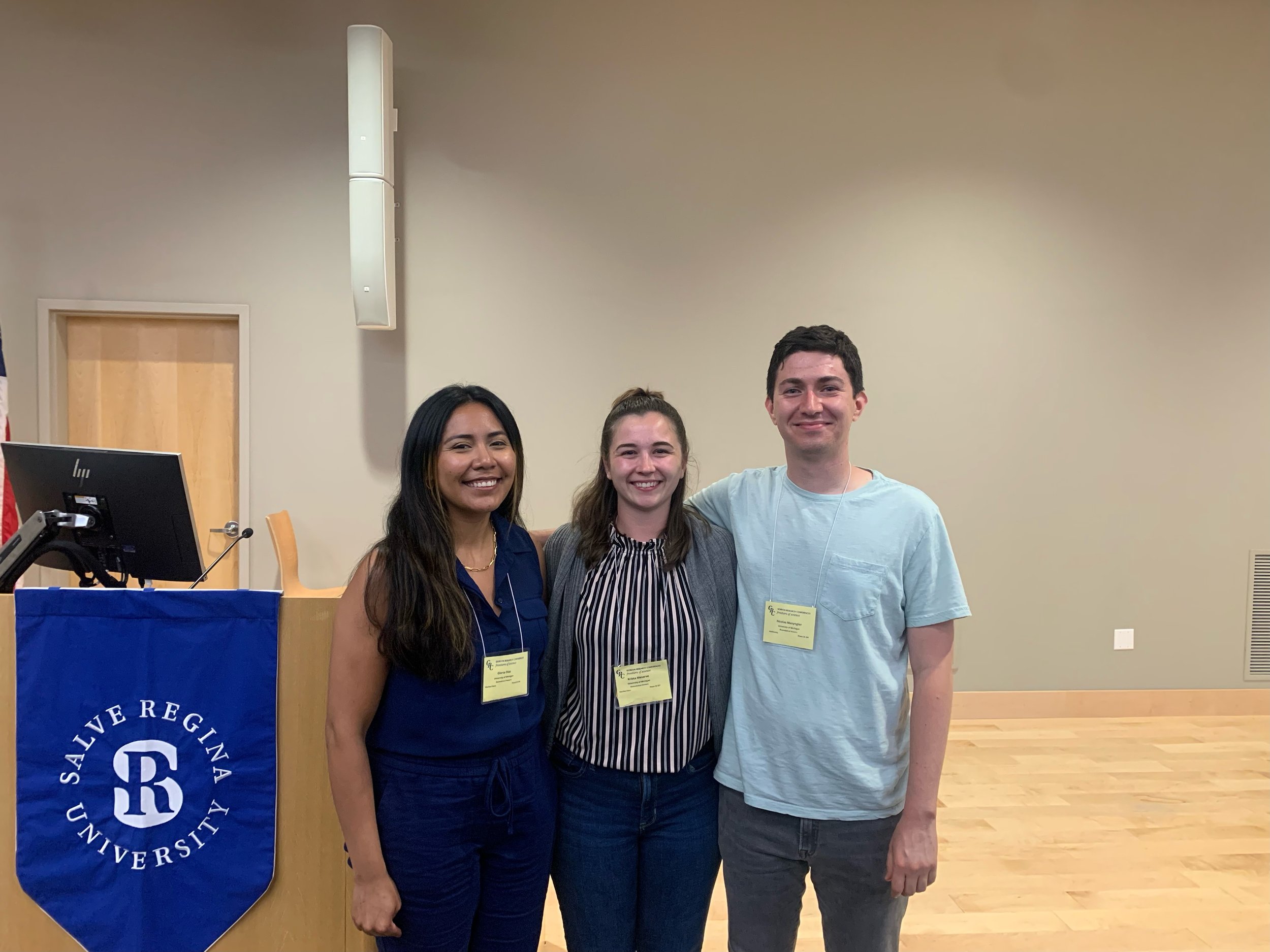
A beautiful campus, fascinating science talks, and many hours of networking combined for an exciting week at the bioanalytical sensors Gordon Research Conference. Krista, Nico, Gloria, and Ryan attended the conference held on Salve Regina’s campus in Newport, RI during the last week of June. Professors, post-docs, and graduate students traveled to RI from all over the world to share the latest advancements coming from their labs.
After some tricky travel situations, Gloria, Nico, Krista, and Biteen Lab graduate student Anna Calkins attended the Gordon Research Symposium, a two-day event held prior to the GRC for only post-docs and graduate students. They met new friends and shared their research at the poster sessions.
Ryan kicked off the Monday morning scientific talks by highlighting the lab’s work in his talk titled: “New Directions in (Bio)chemical Sensing Using Droplet Microfluidics”. The graduate students presented their own work at multiple poster sessions throughout the week:
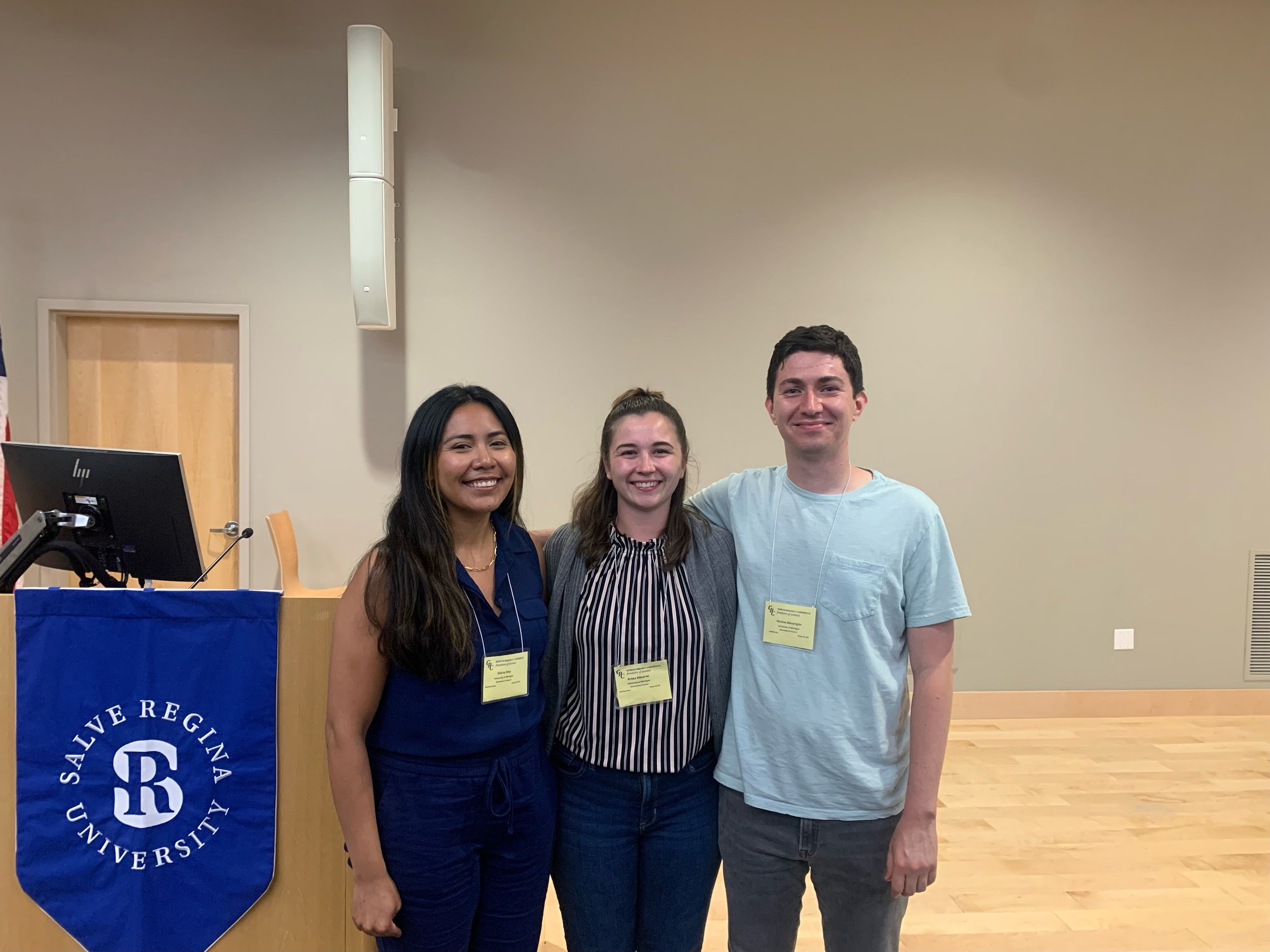
Gloria: DropCUTT – Leveraging the Capabilities of Droplets to Automate Enzymatic Tethering Assays
Nico: Multiparametric analysis via a droplet microfluidic-based, transmission phase grating
Krista: Using Microring Resonators for Detection of Viral Biomarkers
Gloria’s poster was voted one of the top four poster presentations and she was invited to give a scientific talk on the last night of the conference. She pulled together an amazing presentation and we are so proud of her for earning this recognition.
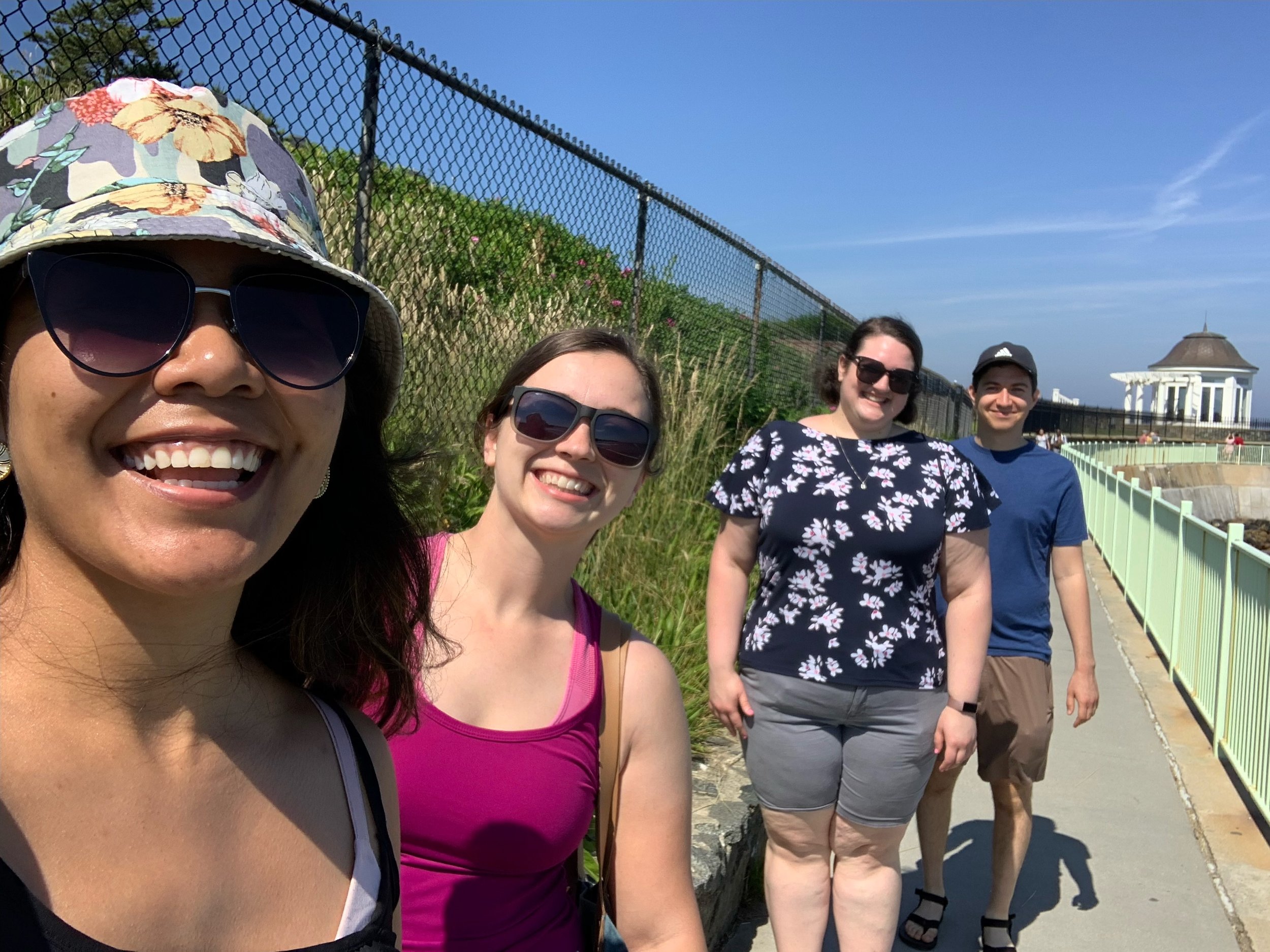
Outside of presenting and listening to leaders in the field share their research, the group enjoyed exploring Newport, RI. They wandered downtown to the Wharf and Tennis Hall of Fame, went to a winery, explored the cliff walk, toured Breakers (one of the Newport mansions), and relaxed near the ocean with fellow conference attendees.
One of the week's highlights was making new connections with other graduate students, post-docs, professors, and industry professionals. The group made many great memories and would like to thank the organizers for putting on such a great program of events.





EBOV paper highlighted with author Q&A!
The most recent Bailey Lab Publication, Rapid detection of an Ebola biomarker with optical microring resonators, was highlighted in its journal, Cell Reports Methods, through a QnA with co-first authors Abe and Krista and corresponding author, Gaya. Check out the full interview here!
In addition, the article was highlighted by Washington University School of Medicine and in 360Dx!
